Shared humanity, not religious affiliation, to define respect and coexistence
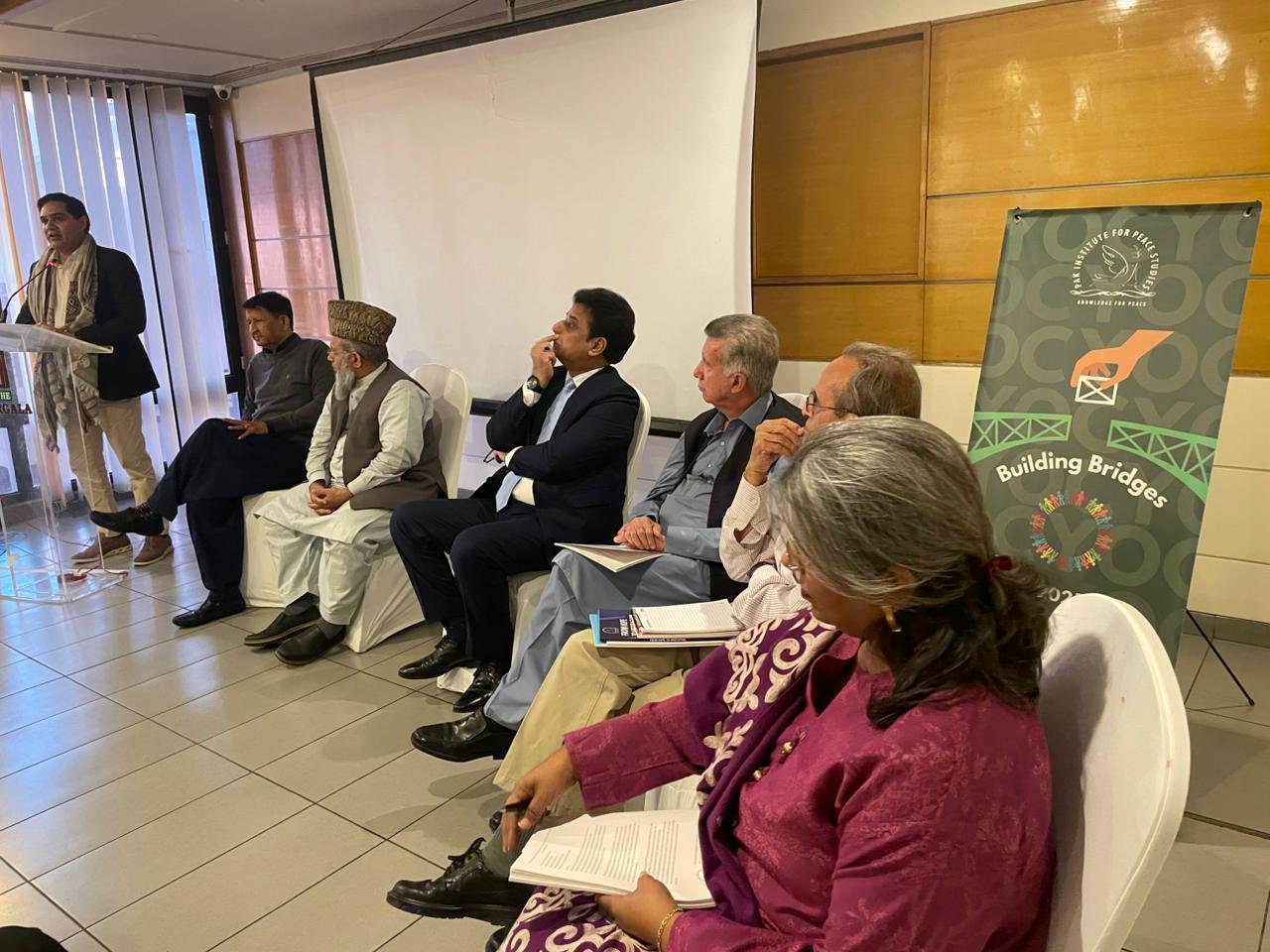
The Pak Institute for Peace Studies and the Department of Quranic Studies of the Islamia University Bahawalpur organized a policy consultation titled Building Bridges: A Stakeholder Consultation on Tolerance and Inclusivity at Islamia University Bahawalpur on December 12, 2025. Distinguished experts and panelists representing academia, policymakers, civil society, and religious scholars shared their expert opinions … Read more
Role of imams vital in promoting inclusivity, pluralism

Bahawalpur—Scholars and experts at a consultation emphasized the role of imams and religious leaders in promoting the concepts of ‘respect for humanity’ and inclusivity at the grassroots level to foster social cohesion and peace in society. They said that political intolerance was also contributing to growing extremism, which should be tackled and the state must … Read more

Understanding sensitivities is crucial in reporting faith-based violations

Karachi—Speakers at a media training workshop emphasized that journalists should be careful in their language and understand sensitivities while reporting on incidents of faith-based persecution and rights violations, noting that adherence to a rational framework is key to impactful journalism. They underlined that journalists should avoid asking ‘loaded’ questions, rather these should be investigative in … Read more

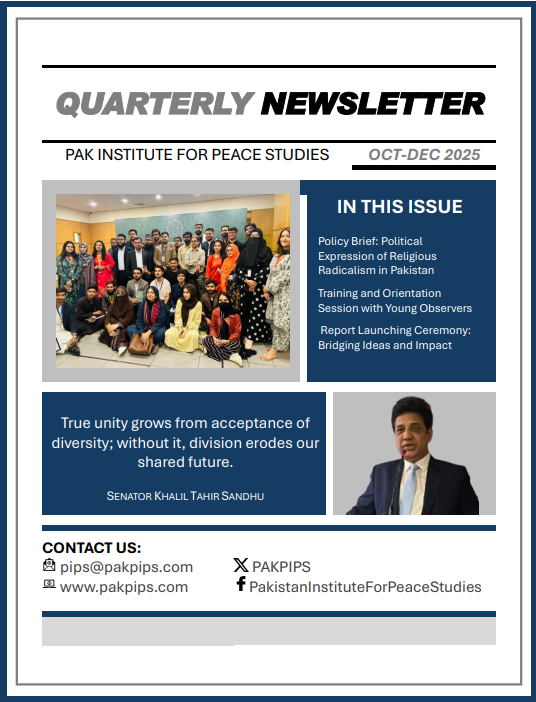
QUARTERLY NEWSLETTER | OCT-DEC 2025

Over the past decade, religious radicalism in Pakistan has evolved from operating covertly through militant networks to asserting itself openly in the political sphere. Groups that frame their agendas as uncompromising religious imperatives have increasingly relied on mass mobilisation, street pressure, and selective participation in elections to gain concessions from the state and shape public … Read more

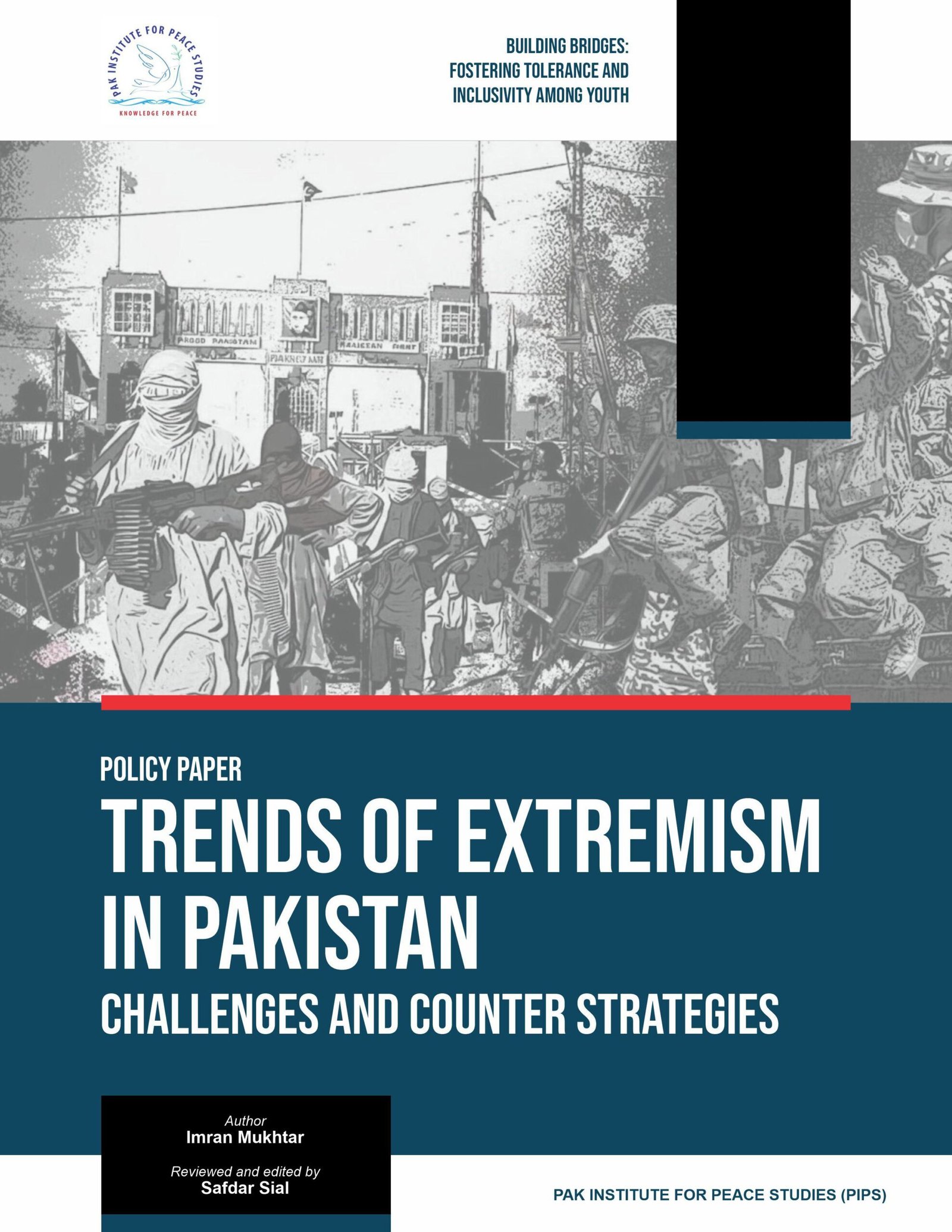
Trends of Extremism in Pakistan

Extremism in Pakistan is a complex and persistent challenge, deeply rooted in historical, socio-political, and religious factors. Over the past four years, the country has witnessed a sharp increase in various forms of extremism, including religious militancy, an ethnonationalist insurgency in Balochistan, and faith-based violence. Communal and sectarian attacks, targeted killings, and the persecution of … Read more

Political engineering will fuel radicalization in Balochistan, experts warn

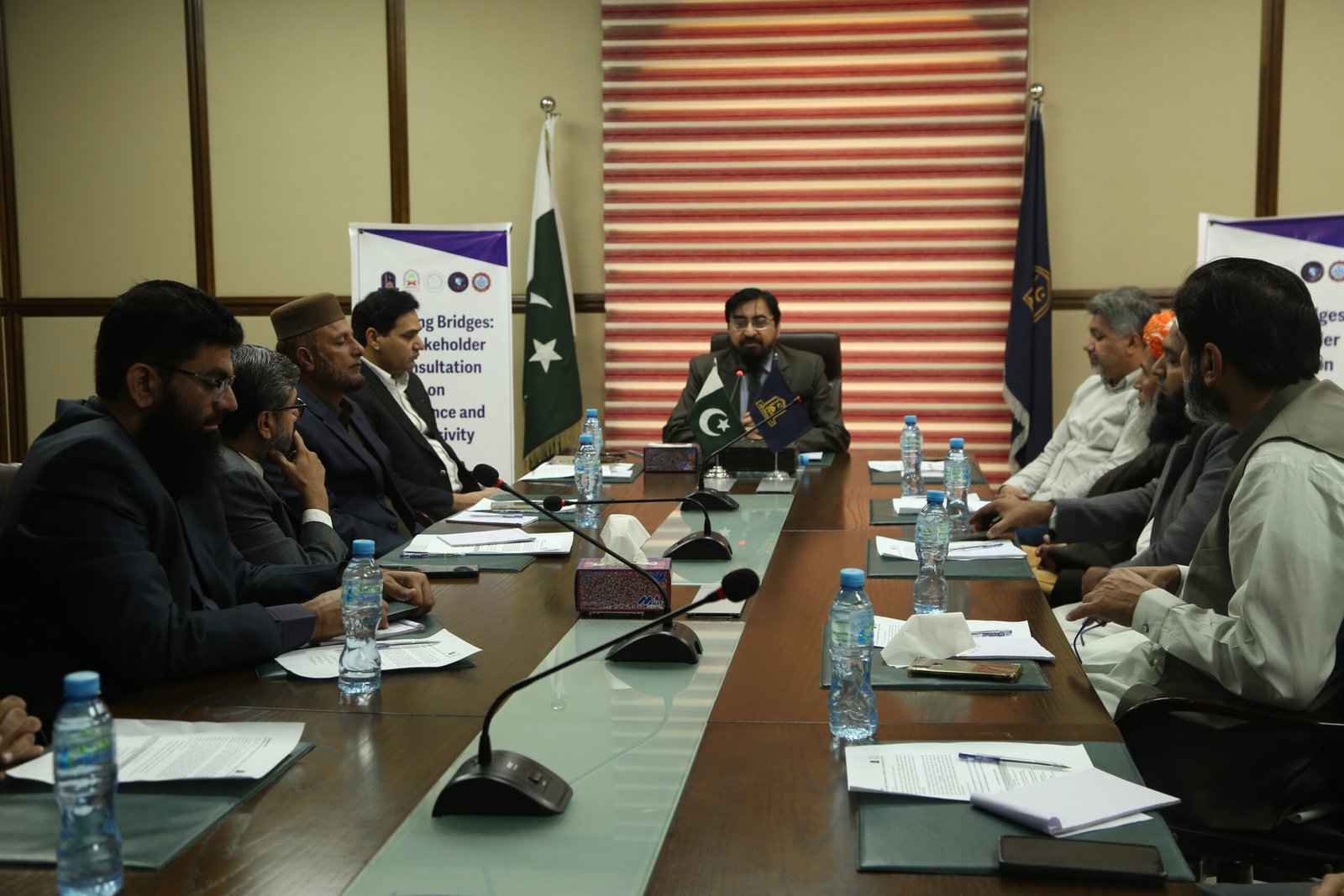
Quetta—Experts at a consultation said that social and political engineering would increase radicalization in troubled Balochistan, noting that this ‘wrong’ approach will create more polarization in society. These views were expressed at a discussion, “Building Bridges: A Stakeholder Consultation on Tolerance and Inclusivity”, organized by the Islamabad-based Pak Institute for Peace Studies (PIPS) here on … Read more

Adhering to fact-checking mechanisms can counter fake news

Quetta—Speakers at a media training workshop called for adhering to ethical standards and fact-checking mechanisms while reporting human rights and faith-based violations, warning that misreporting could trigger a conflict in this age of digital media. They underlined that mainstream media was facing growing challenges in the presence of social media and its strong commitment to … Read more

PIPS launches reports on youth pluralism, policymakers stress dialogue to curb extremism

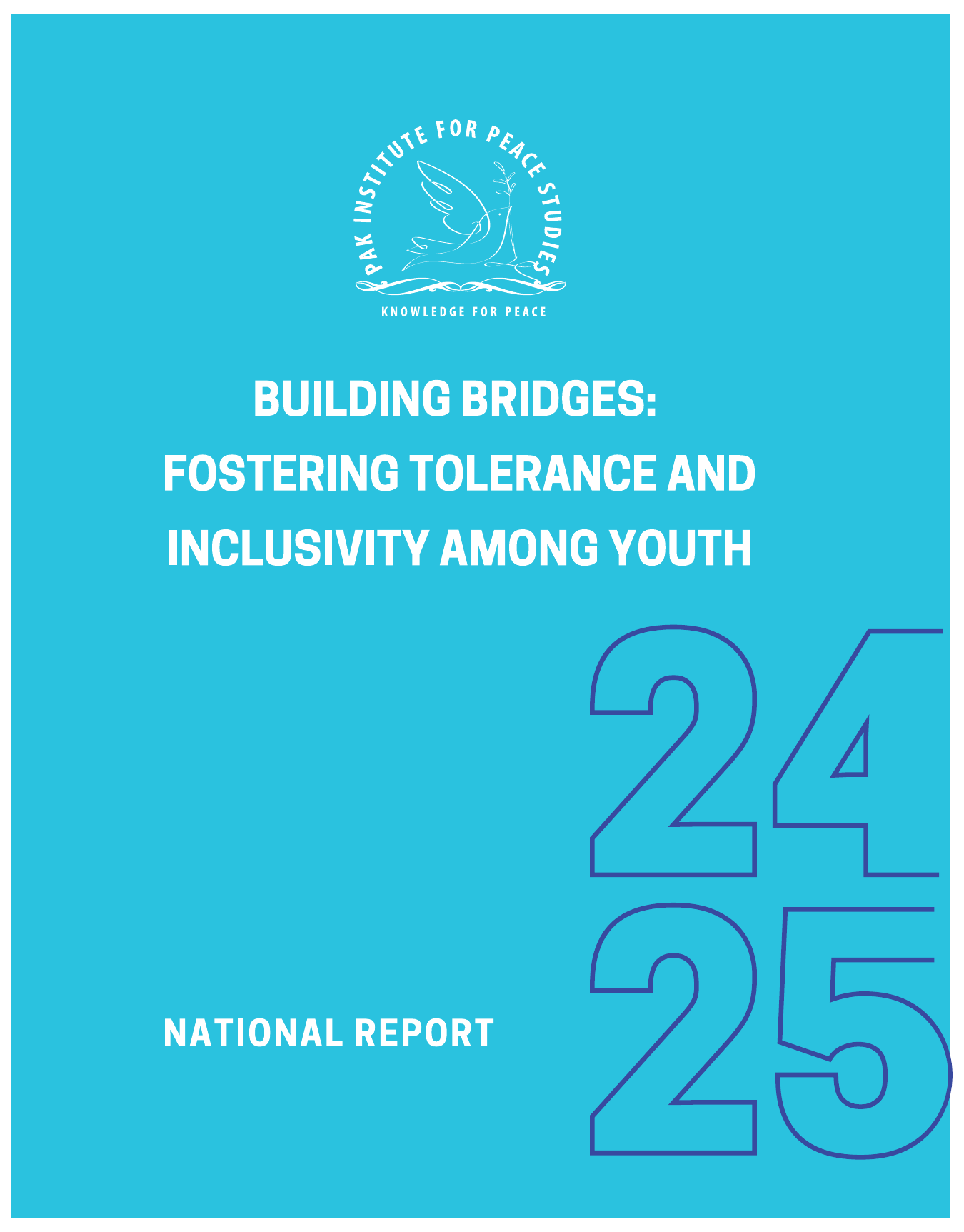
The Pak Institute for Peace Studies (PIPS) launched its comprehensive national report, “Building Bridges: Fostering Tolerance and Inclusivity among Youth,” along with four provincial editions, on November 7 in Islamabad. Drawing on empirical insights from over 300 university and madrassa students, as well as peace activists from across Pakistan, the report explores youth perspectives on … Read more

Intolerance is rooted in deep-seated sociocultural and ideological biases, amplified by hate speech

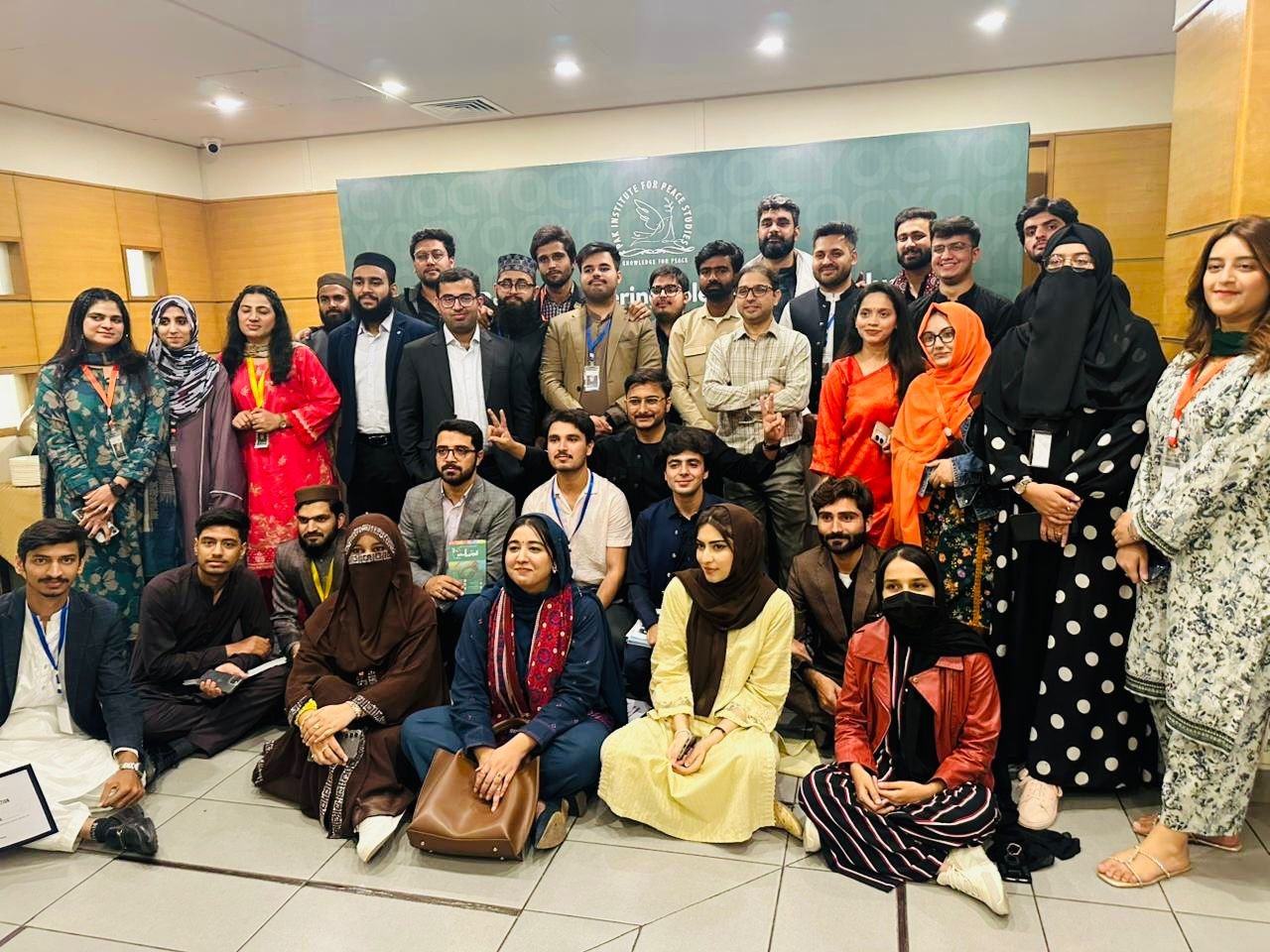
The Pak Institute for Peace Studies (PIPS) organized a two-day national training and orientation workshop titled “Youth Observers Cohort” on November 6–7 in Islamabad. Around 40 young participants, including students, peace activists, and emerging faith and civil society leaders from across the country, took part in the event. The training aimed to equip them with … Read more

National Report

Youth radicalization in Pakistan is one of the most pressing challenges confronting the state and society today. With nearly two-thirds of the country’s population under the age of 30, the path that young people take will decisively shape the nation’s stability, security, and development. Radicalization, while not always violent, often manifests as intolerance, sectarian polarization, … Read more