Minority rights in Pakistan : Historic neglect or state complicity?
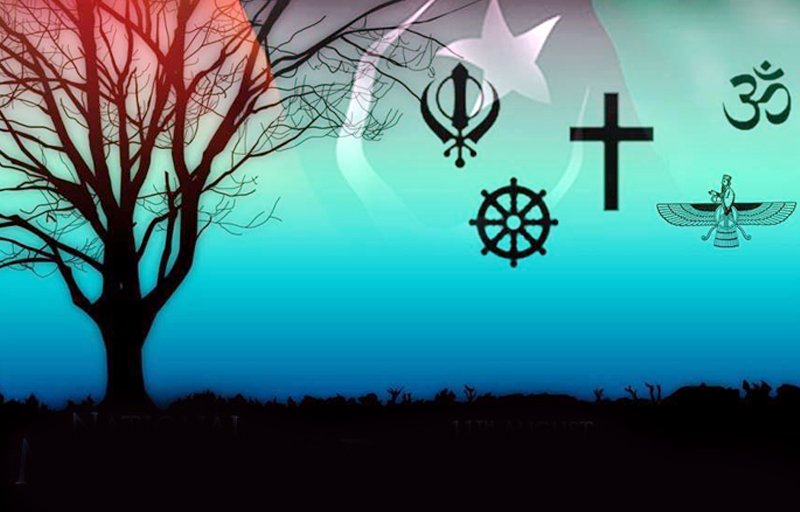
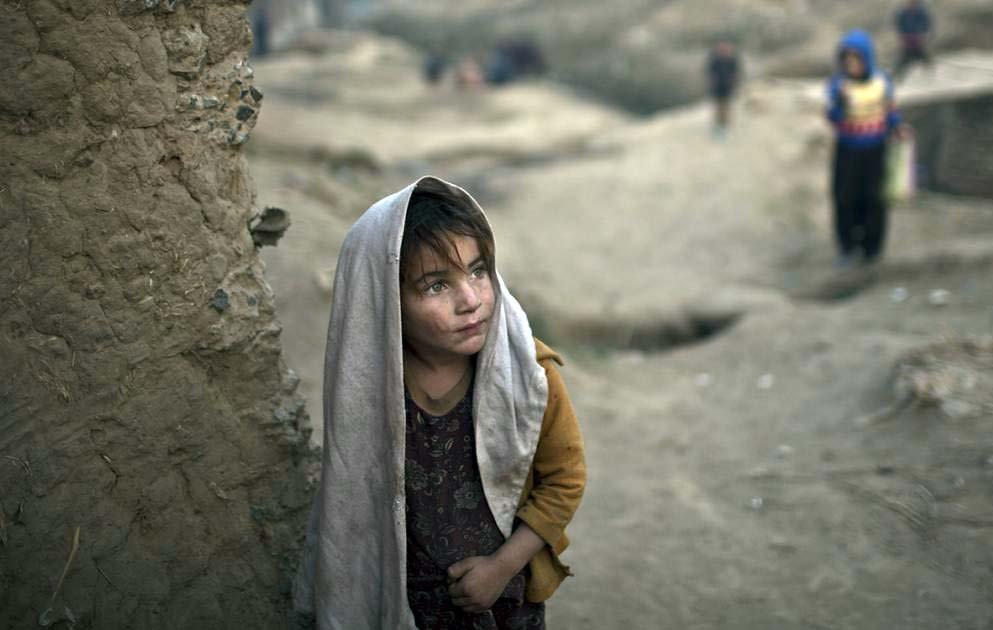
This survey-based study conducted by Pak Institute for Peace Studies has revealed that Pakistan’s religious minorities believe they are not part of the larger political, social and cultural mainstream. The report has tried to understand the lives of religious minorities and their interaction with other communities in Pakistan through a countrywide survey with 327 respondents … Read more
Radicalization: Perceptions of educated youth in Pakistan

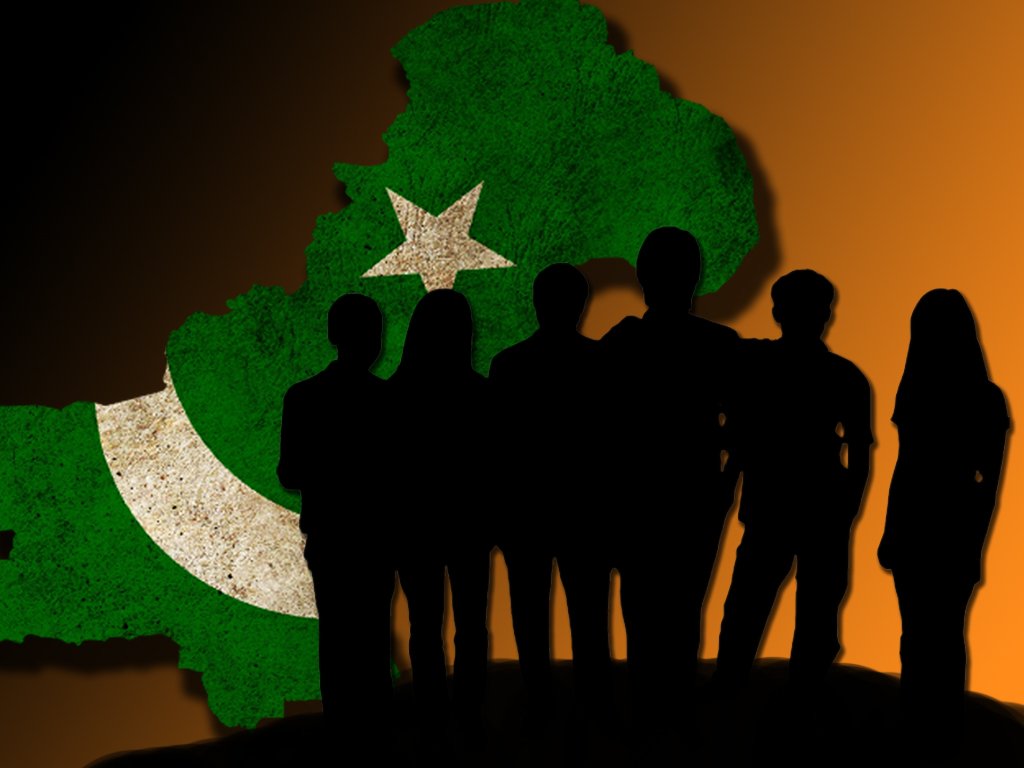
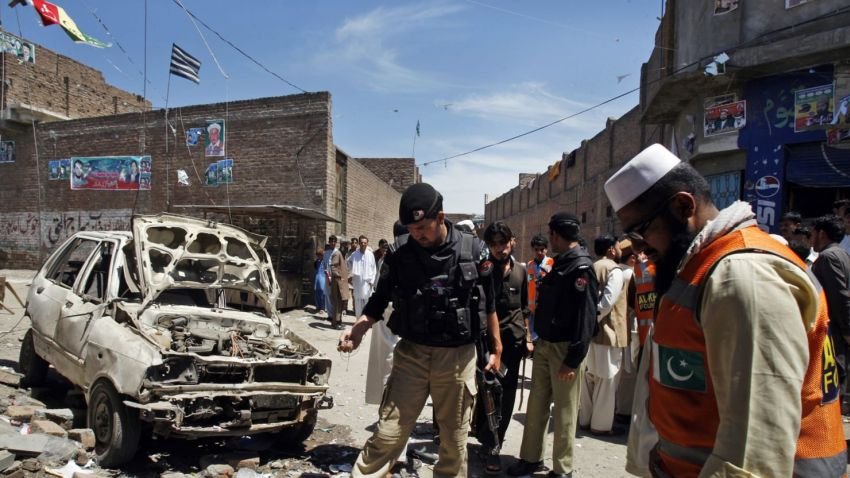
Any study that seeks to understand the phenomenon of radicalization in any society cannot afford to ignore the educated youth. This segment gains even more significance in Pakistan where an estimated 103 million people, or 63 percent of the population, are less than 25… Read full survey report: [embeddoc url="http://archive.pakpips.com/wp-content/uploads/2018/01/45.pdf" download="all" viewer="google" ]

Radicalization in Pakistan: Understanding the phenomenon

Pakistan has adopted a two-pronged strategy to fight the menace of religious militancy: it has tried to undertake development activities in the troubled northwest of the country, hoping to wean its people from militant influence by addressing their economic grievances; and… Read full survey report: [embeddoc url="http://archive.pakpips.com/wp-content/uploads/2018/01/41.pdf" download="all" viewer="google" ]

Radicalization among educated Pakistani youth

Radicalization has a long history in Pakistan and its spread among various segments of society has long been debated. Pakistan Institute for Peace Studies and the Quaid-i-Azam University, Islamabad, jointly conducted an empirical quantitative research study to identify… Read full survey report: [embeddoc url="http://archive.pakpips.com/wp-content/uploads/2018/01/07.pdf" download="all" viewer="google" ]

Mapping the madrasa mindset: Political attitudes of Pakistani seminaries

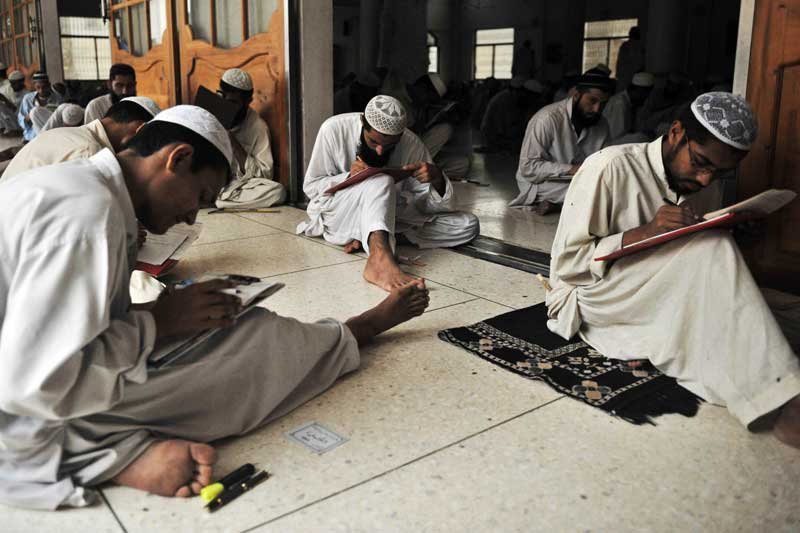
Pakistani madaris are perceived as a catalyst factor promoting orthodox views. Many analysts view that their role in shaping the views of the masses and their students is a serious concern for many. Their affiliation with political, sectarian and militant organizations is also a major… Read full survey report: [embeddoc url="http://archive.pakpips.com/wp-content/uploads/2018/01/05.pdf" download="all" viewer="google" ]

Human rights reporting in Pakistani media

To understand the media narratives and journalists’ understanding of human rights reporting in Pakistan, the Pak Institute for Peace Studies (PIPS) conducted a survey with journalists and media representatives during July and October 2008. The purpose was to comprehend the patterns, quality, treatment and scope of media reporting on human rights issues, and explore the … Read more

Opinion poll on blasphemous caricatures of Prophet Muhammad (Peace Be Upon Him)

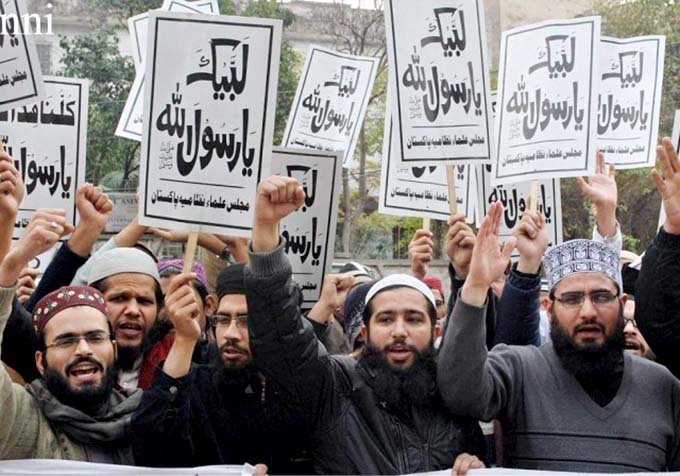
The blasphemous caricatures of Prophet Mohammad (PBUH) published in the Danish newspaper Jyllands-Posten and later in some other European countries led to strong and bitter reaction and violent protests in the Muslim world. In Pakistan also, there were violent protests, particularly in major cities such as Lahore , Karachi and Peshawar . Pak Institute for … Read more

Political behaviour in Pakistan: PIPS survey challenges conventional wisdom

This survey conducted by the Pak Institute for Peace Studies (PIPS) targeted two groups: registered political party workers and voters. The objective of this exercise was to identify some of the key determinants of political behaviour in Pakistan. It also explored the nature of party affiliation, levels of grassroots participation in political parties’ internal affairs … Read more