Soft power without muscle: India’s projection–capability gap in South Asia

* The views expressed in this article are those of the author and do not necessarily reflect the views of the Pak Institute for Peace Studies (PIPS). For much of Generation Z’s lifetime, Indians and international audiences alike have been exposed to slogans such as Incredible India, Shining India, and Make in India. These initiatives … Read more
Experts call for CPEC reforms to tackle conflict and regional disparities

Islamabad—Experts have urged the need to recalibrate the China-Pakistan Economic Corridor (CPEC) initiative to better address underlying causes for conflict and underdevelopment in the country and foster sustainable peace and development. They said that challenges related to transparency, governance, and security continued to hinder the effective execution of CPEC. These views were expressed at an … Read more

Anatomy of Short Wars: India-Pak and Israel-Iran Conflicts

*Jehanzeb Iqbal has an MSc in Arts & Science of Warfare. The author can be reached at gulegulmit2015@gmail.com. ** The views expressed in this article are those of the author and do not necessarily reflect the views of the Pak Institute for Peace Studies (PIPS).   Abstract: The military analysts from across the globe have … Read more

Islamabad needs to engage with Kandahar-based Taliban leadership on TTP issue

Islamabad – Pakistan should engage with the Afghan Taliban leadership based in Kandahar, the actual seat of power in Afghanistan, as this channel of communication can help Islamabad address its concerns about the presence of the banned Tehreek-e-Taliban Pakistan’s (TTP) hideouts in the neighboring country. Islamabad needs to directly talk to Taliban supreme leader Haibatullah … Read more

Pakistan’s Emerging Security Dynamics and Their Impact on CPEC

The resurgence of banned terrorist and insurgent groups, including Tehreek-e-Taliban Pakistan (TTP), Islamic State-Khorasan (IS-K), and Balochistan Liberation Army (BLA), in western and southern Pakistan is alarming and poses a significant threat to the country’s strategic assets, particularly the China-Pakistan Economic Corridor (CPEC). To comprehensively assess this threat, Pak Institute for Peace Studies organized a … Read more

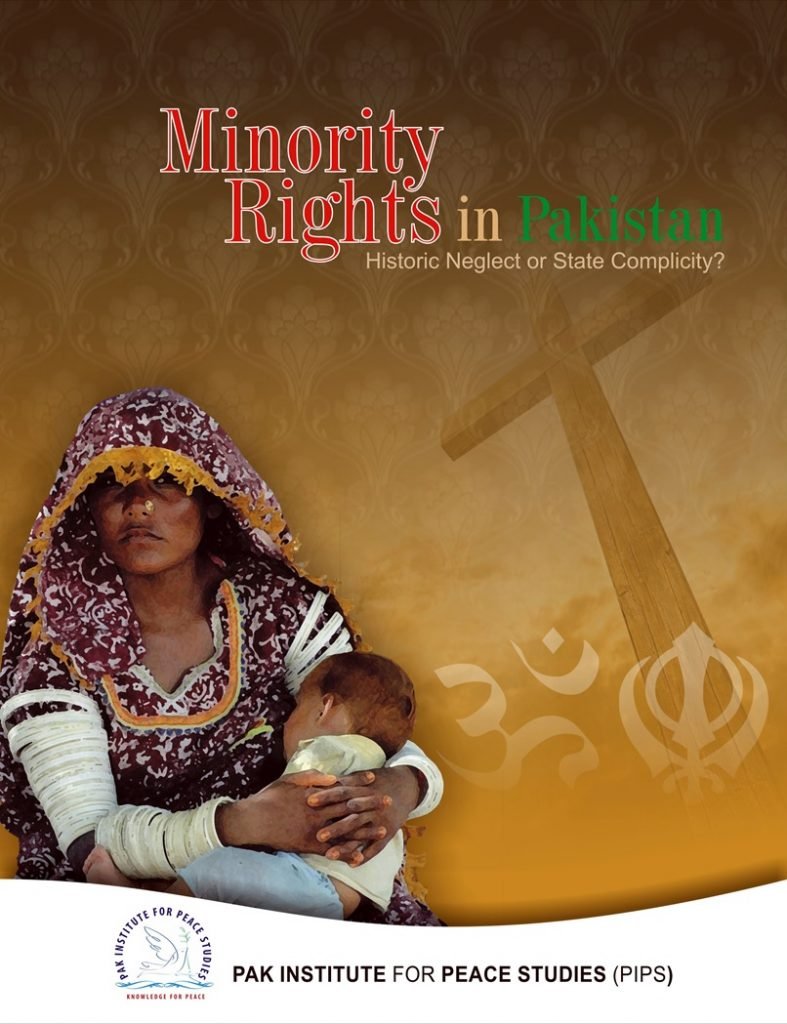
Minority Rights In Pakistan: Historic Neglect Or State Complicity?

While multiple factors have historically contributed to discrimination against religious minorities and faith-based violence in Pakistan, there have been inadequate efforts on the level of state and society to create an environment that supports interfaith harmony and social cohesion. The processes of Islamisation of the state and society have negatively affected the overall behaviours and … Read more

Pakistan’s Evolving Militant Landscape: State Responses and Policy

By Safdar Sial The militant landscape in Pakistan has become increasingly diverse, with religiously motivated, nationalist insurgent, and sectarian groups gaining momentum. This shift has been particularly noticeable since the rise of the Taliban in neighbouring Afghanistan. At a time when a major shift is happening in the militant landscape of the country and a … Read more

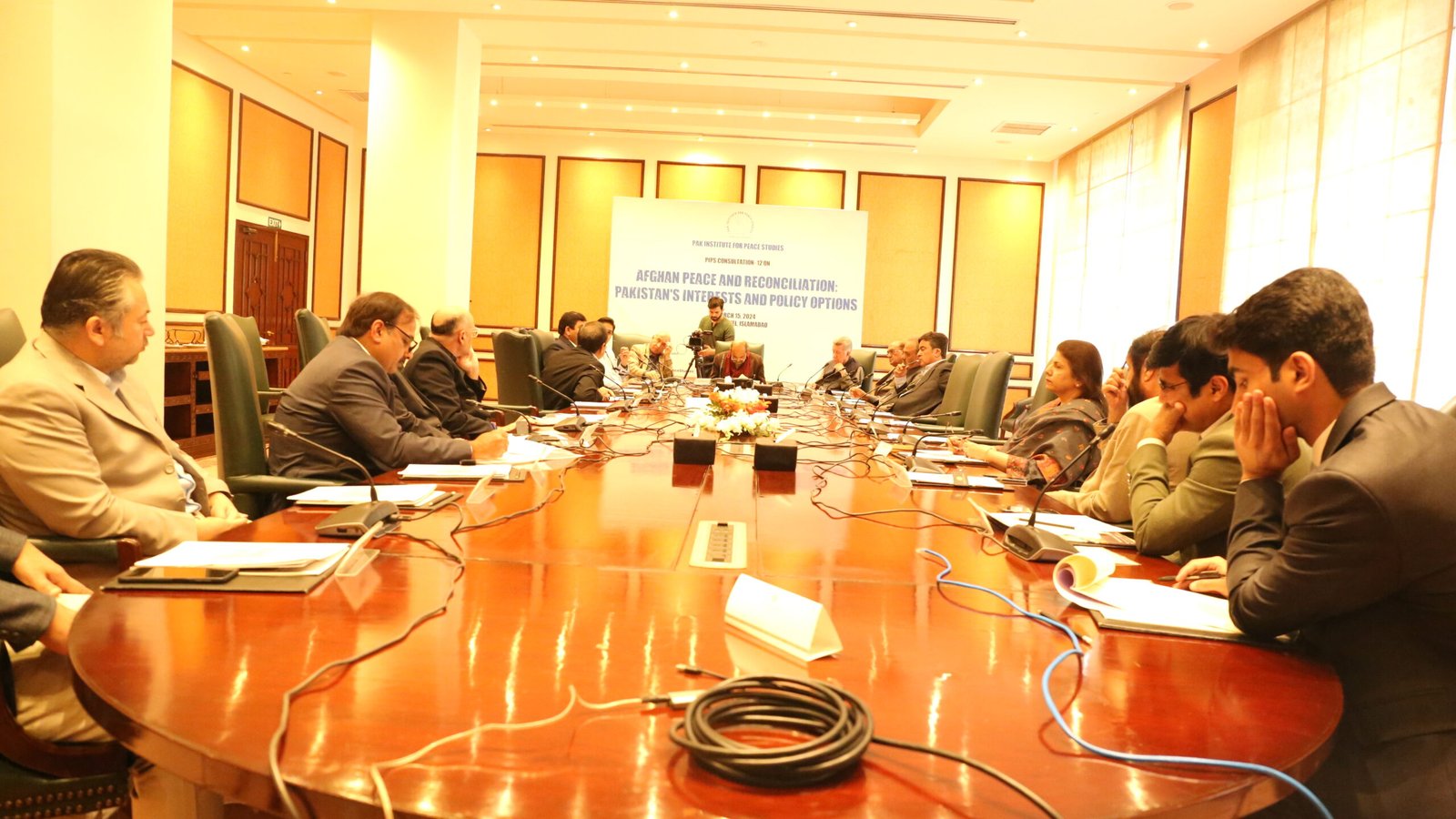
PIPS CONSULTATION-12 ON AFGHAN PEACE & RECONCILIATION

Pak Institute for Peace Studies convened its 12th quarterly consultation on “Afghan peace and reconciliation: Pakistan’s interests and policy options” in Islamabad on March 15, 2024. The focal points of discussion encompassed “Pakistan’s Afghan policy puzzle: challenges and opportunities for the new government” and “The counterterrorism and counter-extremism challenges for the new federal and provincial … Read more

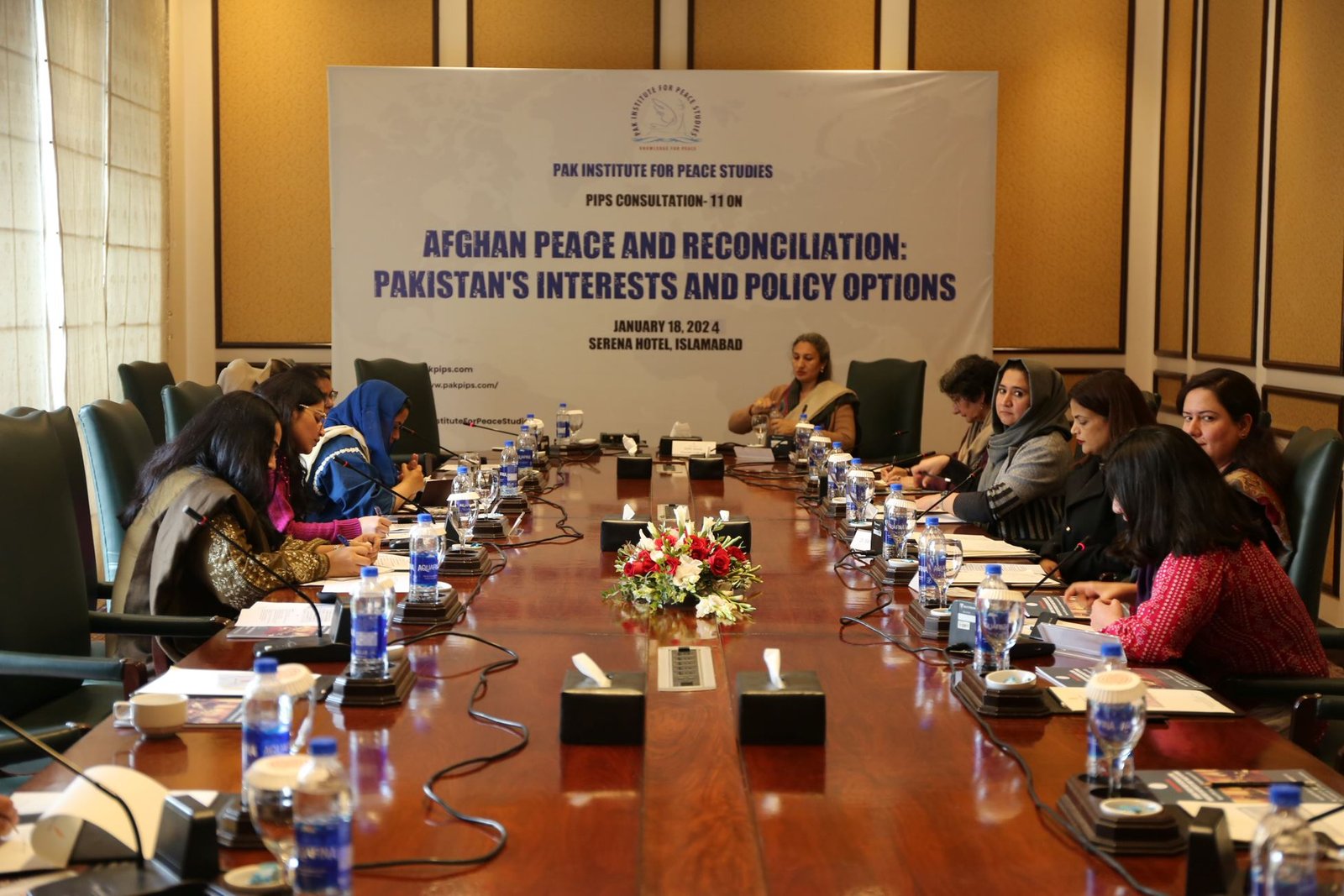
PIPS CONSULTATION-11 ON AFGHAN PEACE & RECONCILIATION

Pak Institute for Peace Studies organized 11th quarterly consultation on “Afghan peace and reconciliation: Pakistan’s interests and policy options” in Islamabad on January 18, 2024. The main themes of the consultation included ‘The changing security scenario: Women’s perspective’ and ‘Emerging Pak-Afghan ties: Youth’s perspective.’ The event was attended by female experts and academics, former diplomats, … Read more