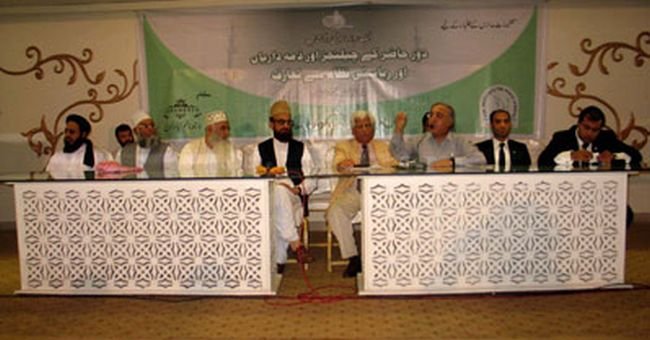
Collective efforts needed to eradicate persecution of religious minorities
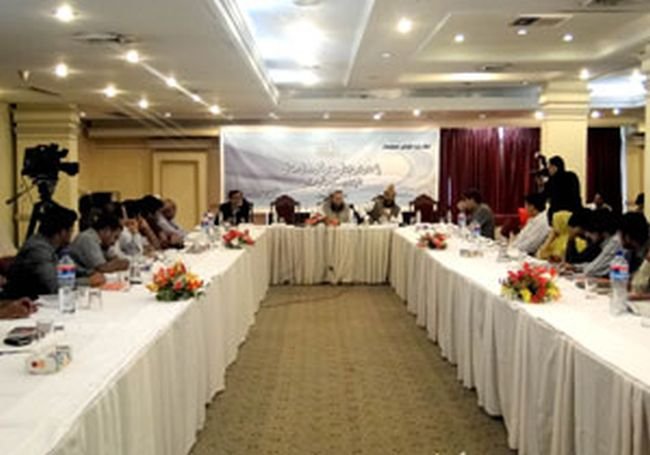
Broader interaction and coordination among state and various segments of society are needed to reach at a better understanding of different forms of discriminations existing in Pakistan and the required ways to eradicate them.The government has almost failed to provide security and a feeling of equal citizenship to religious minorities, a fact that encourages those … Read more
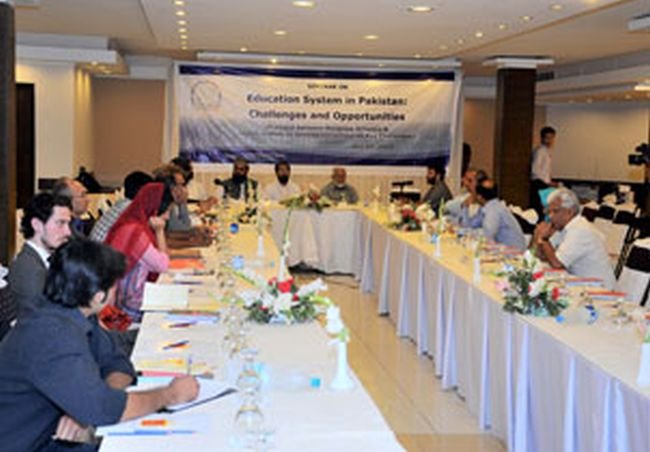
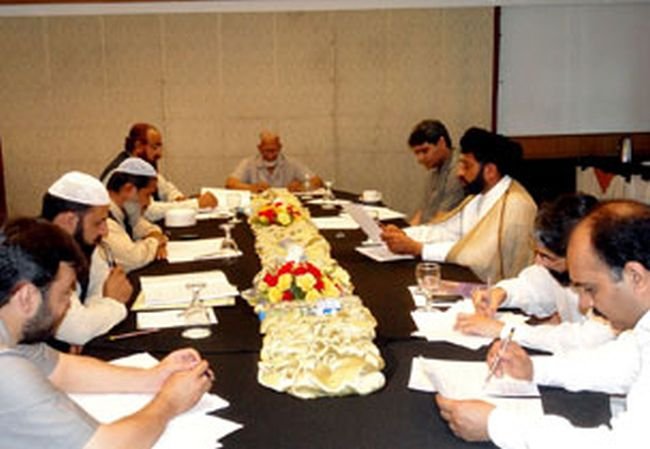
Security-centric approaches bar effective de-radicalization

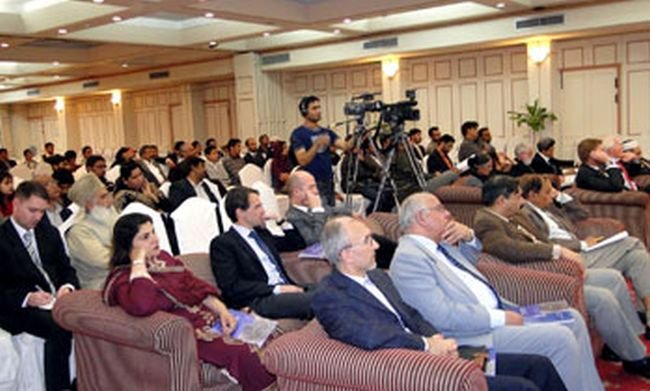
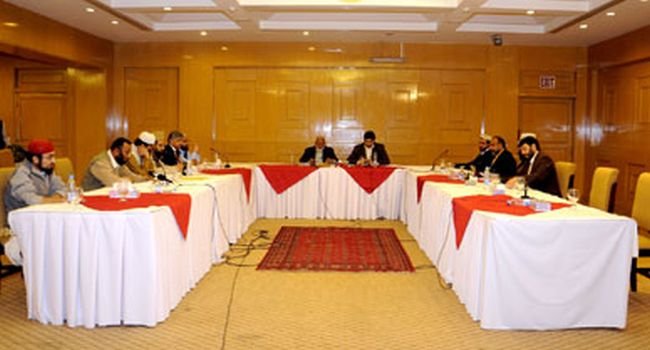
States have failed to evolve comprehensive counter-radicalization and de-radicalization responses and strategies because of their largely security-centric approaches and less emphasis on dealing with extremism and radicalism in sociocultural, economic and political perspectives. This argument emerged as a consensus point among the participants of a focused group discussion on ‘assessment of de-radicalization models’, organized by … Read more

The thirst for knowledge lacks in Pakistani education system

Pakistan’s education system has inadequate capacity and substance to promote the spirit of inquiry, thirst for knowledge and critical thinking among the students. Education provided by different public and private educational institutions and madrassas lacks quality and diversity. It is imperative for the government to set some standard principles of education, bridge the existing gaps … Read more

Religious scholars note that extremists do selective and political use of Islam

The religious radicals and extremists in Pakistan use Islam as a tool to achieve their vested political goals and objectives. To get politico-ideological support of the people for that purpose they have invented a new method of making selective inferences from the Holy Quran and sayings of the Prophet (ahadith, plural of hadith) overriding all other Quranic … Read more

Pakistan can learn from Indonesian experience of reforms in Islamic education

Pakistan’s religious organizations and scholars have a lot to learn from the non-political and public-oriented approach of the Indonesia Islamic organizations to educate people according to peaceful and dynamic principles of Islam. Like Indonesians, Pakistani religious scholars can respond effectively to challenges of extremism and intolerance through the reforms in religious education system particularly by … Read more

PIPS launches report on its yearlong engagement-for-peace with religious scholars

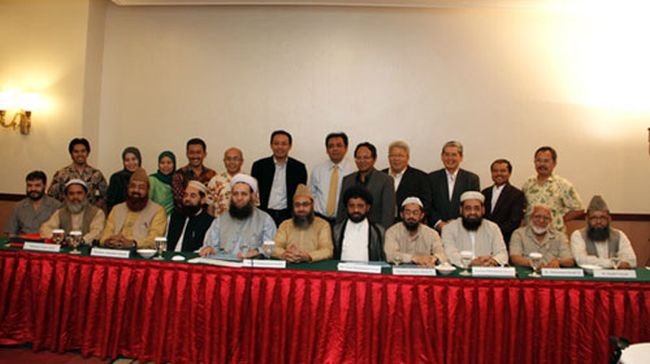
Scholars, policy advisors and representatives of academic and research institutes acknowledged the role of religious scholars in promoting peace and harmony in society and agreed that they should be engaged in dialogue with other segments of society for that purpose. They emphasized that such a dialogue was much needed not only to facilitate interaction and … Read more

‘Pakistanis are rhetorically aggressive but moderate in action’

The People in Pakistan have a common tendency to use radical rhetoric when discussing other religions, sects, nations, and people, whereas when  it  comes  down  to  their  practical behavior, the majority  of  Pakistanis  are still  moderate. The majority of the people in Pakistan do not have a specific lust for bloodshed and violence, however a … Read more

Ulama decide to counter violent ideologies through political and academic responses

The Islamist organizations construct their arguments around religion and political rhetoric to effectively propagate their violent ideologies. A proper response to such ideologies of the Islamists should therefore emphasize the use of the same methodology. The state, religious scholars, or Ulama, and intellectuals share the responsibility to guide the people about the critical issues that factor … Read more

Not all western intellectualism is contradictory to Islam

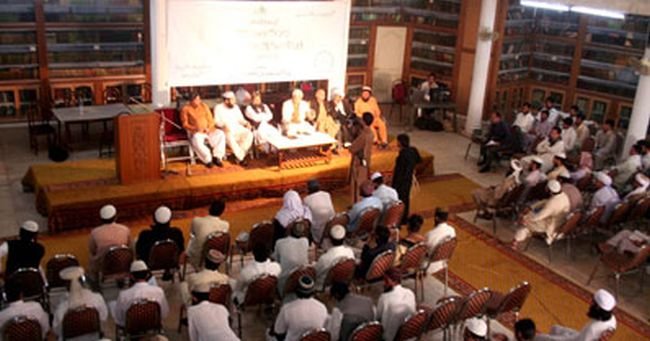
Western political thoughts and intellectual trends, which are not contradictory to basic Islamic principles, can be followed and implemented in political and state systems of Pakistan. We need knowledge-based, and not belief-based, intellectual discourses to respond to emerging local and global challenges. Intellectuals and religious scholars said in a one-day workshop with madrasa students and … Read more

Scholars urge enhanced interaction between madrasa students and other segments of society

Madrasa students should enhance their interaction with other segments of the society and influence others by presenting themselves as role models of peaceful, insightful and responsible Muslims and citizens. They should not only accept the reality of how others think about them but also prepare themselves through dialogue with other segments and by acquiring education … Read more