Proscribed TTP has become a spoiler in Pak-Afghan relations

Islamabad— Pakistan needs complete reorientation of its policy towards Afghanistan in the wake of growing threats of terrorism in the country after banned Tehreek-e-Taliban Pakistan (TTP) called off ceasefire it had agreed to with the government earlier this year. These views were expressed by experts here on Monday at a consultation on “Afghan peace and … Read more
Afghan refugees and border control: Pakistan’s challenges and policy options

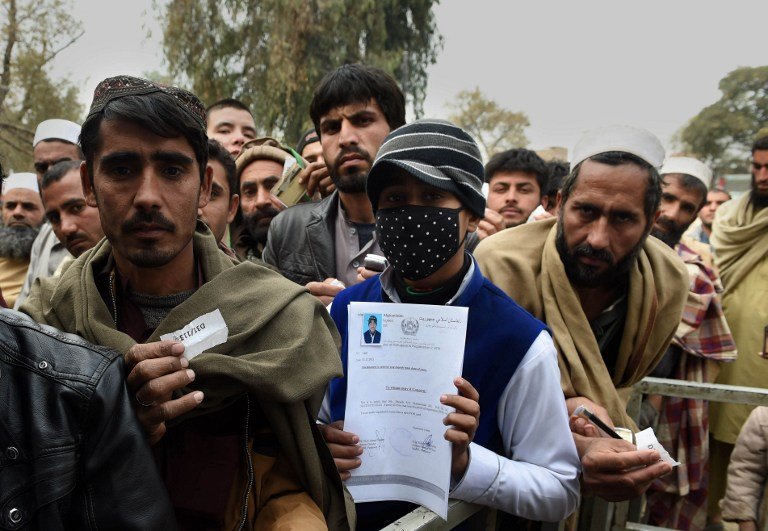
By Urooj Jafri 1. Introduction and background Following the Taliban’s capture of the Afghan capital last year, thousands were seen rushing to the Kabul airport in an effort to to flee out of the country. While in the beginning many were evacuated directly to countries in the West, later some were flown out to Qatar … Read more

Fallout of Afghan situation and Pakistan’s policy responses

By Ahmed Ali Introduction For Pakistan, the perils of a militant regime in Kabul have become unmistakably clear as the country has witnessed a mindboggling 51% increase in the number of terrorist attacks in a single year since the Taliban takeover. On 10 August 2022, Defence Minister Khwaja Asif stated in the National Assembly that … Read more

Pakistan needs to engage Kabul directly to neutralize TTP

Islamabad—- Pakistan will have to engage the Taliban government in Kabul directly to neutralize the banned Tehreek-e-Taliban Pakistan (TTP) as the group continues to pose threats to Pakistan’s internal security and western borders. Talking with the outlawed group will not favour the Taliban regime either as it will not help to boost their image as … Read more

Afghanistan’s persisting outlook on Pakistan: Lessons for Islamabad’s Afghan policy

By Zia Ur Rehman 1. Introduction and background Pakistan has a unique relationship with Afghanistan. The two countries share a 2,570 km long border, also called Durand Line, and have numerous cultural, ethnic and religious connections. The former Afghan leader Hamid Karzai once described the two countries as “joined together like twins” and “inseparable.”[1] Yet … Read more

Iran’s Afghan policy after the U.S. withdrawal: Implications for Pakistan and the region

Asif Durrani has been a career diplomat for 32 years, who served as Pakistan’s ambassador to the UAE and Iran. In his early diplomatic career, he was posted to India, Afghanistan, UK, and Pakistan Mission to the United Nations in New York. Before joining the Foreign Service of Pakistan in 1986, Ambassador Durrani worked as a journalist focusing on Afghanistan and Iran. He is an alumnus of Balochistan University, Quetta, and the School of Oriental and African Studies (SOAS), University of London. He regularly contributes to national and international media. Currently, he is serving as a Senior Research Fellow in Islamabad Policy Research Institute (IPRI). 

The peace nobody believed in

By Marco Mezzera & Safdar Sial Marco Mezzera is a political analyst and mediation expert with a geographical focus on Asia. In his last position as Senior Adviser at NOREF Norwegian Centre for Conflict Resolution, he managed, among others, the “Philippines” and the “Military Dialogues” programs, and in-house Track II mediation efforts. Prior to joining … Read more

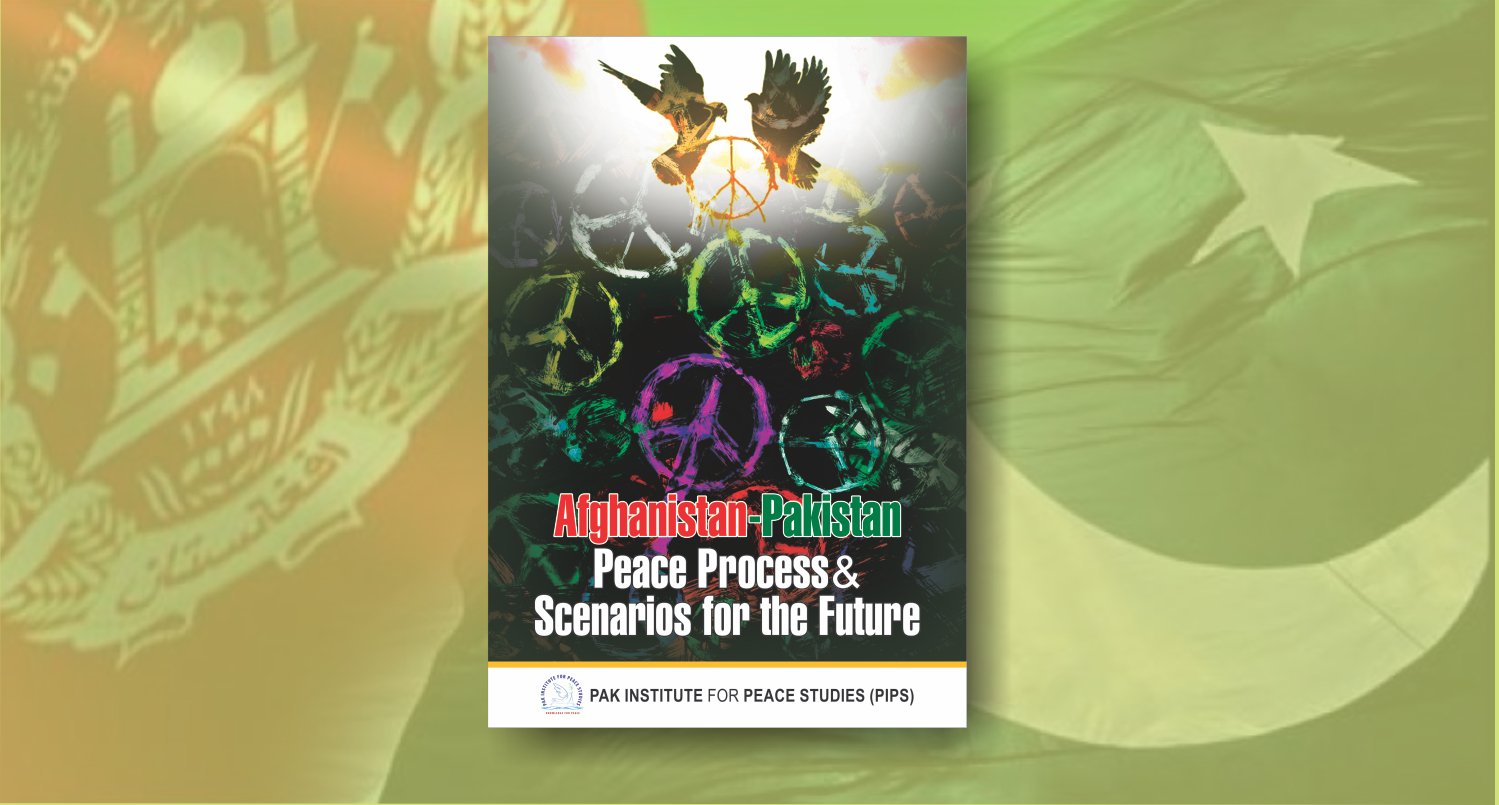
Afghanistan-Pakistan Peace Process and Scenarios for the Future

Historically, Pakistan-Afghanistan relations have seen many ups and downs. The Afghan-Soviet war (1979-1989), the Taliban regime (1994-2001) and post-9/11 developments – are some of the events in Afghanistan that have dramatically altered its relations with Pakistan. In the last one-and-a-half decade, however, a sense of mistrust prevails on both sides of the border. Attempts by … Read more

Exodus of refugees is not durable

2016 has been yet another year in recent times when security measures taken within the context of the National Action Plan (NAP) expedited the rate of voluntary returns to increase recently. This high rate is also owed to other non-state push factors on the Pakistan side and a number of pull factors on the Afghan … Read more