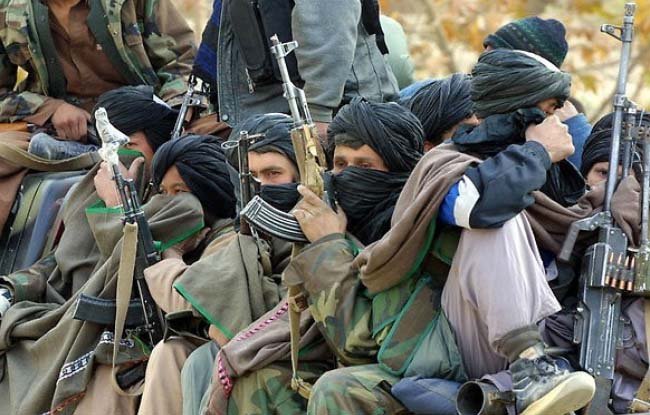
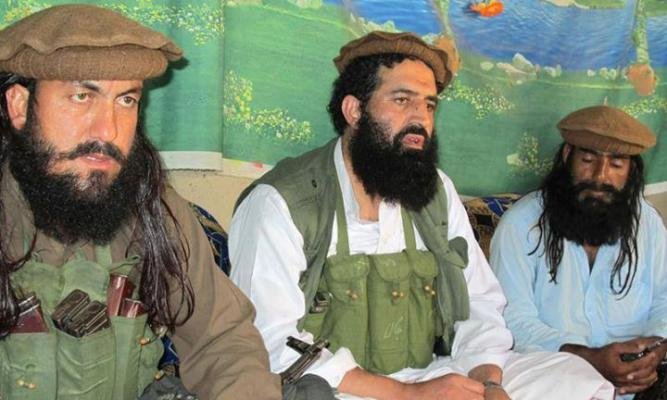
Taliban Insurgency in Pakistan: A Counterinsurgency Perspective
[embeddoc url=”http://www.pakpips.com/web_old/wp-content/uploads/2017/11/169.pdf” download=”all” viewer=”google” ]
[embeddoc url=”http://www.pakpips.com/web_old/wp-content/uploads/2017/11/169.pdf” download=”all” viewer=”google” ]
Radicalization has a long history in Pakistan and its spread among various segments of society has long been debated. Pakistan Institute for Peace Studies and the Quaid-i-Azam University, Islamabad, jointly conducted an empirical quantitative research study to identify… Read full survey report: [embeddoc url="http://archives.pakpips.com/wp-content/uploads/2018/01/07.pdf" download="all" viewer="google" ]
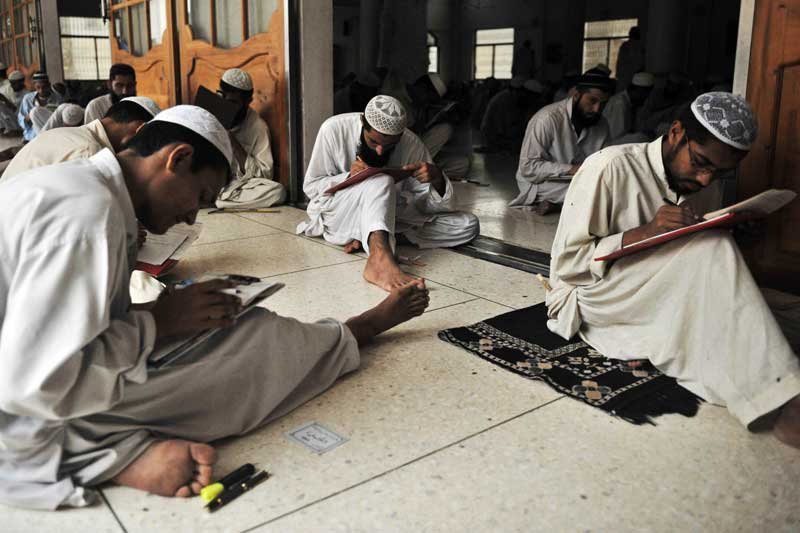
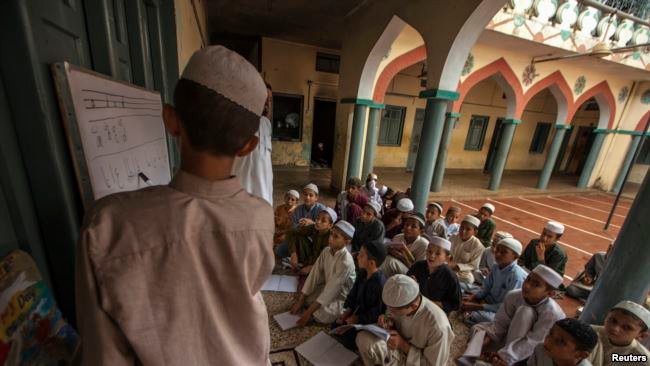
Pakistani madaris are perceived as a catalyst factor promoting orthodox views. Many analysts view that their role in shaping the views of the masses and their students is a serious concern for many. Their affiliation with political, sectarian and militant organizations is also a major… Read full survey report: [embeddoc url="http://archives.pakpips.com/wp-content/uploads/2018/01/05.pdf" download="all" viewer="google" ]
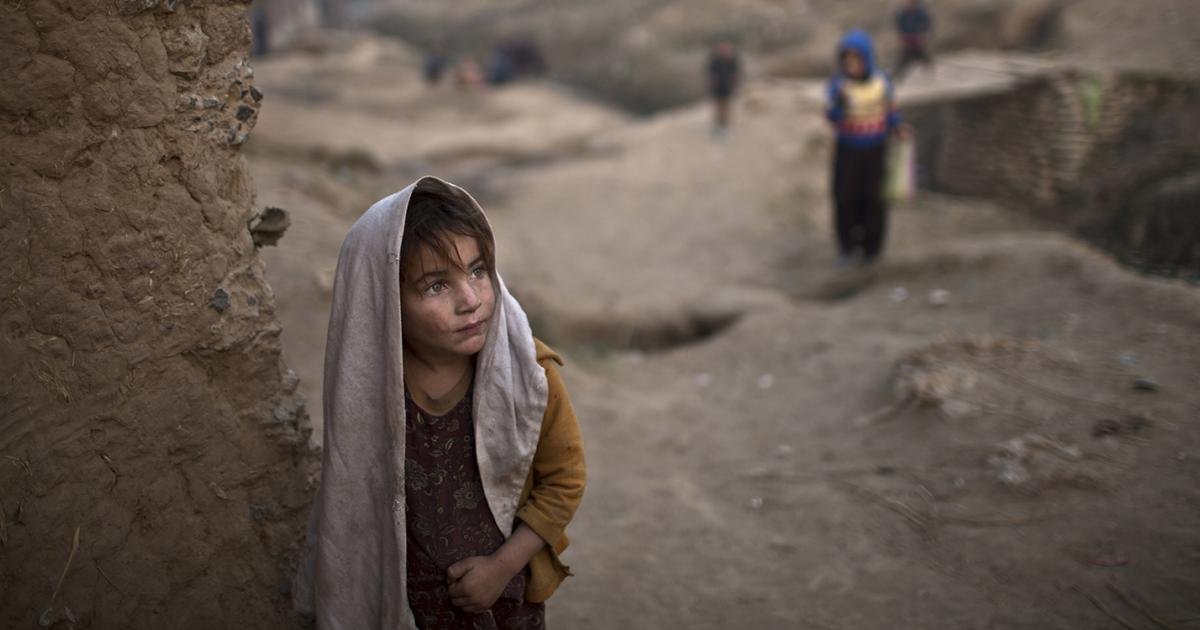
Pakistan’s Urdu and English print and electronic media understand and present human rights issues in a variety of ways. The manner in which newspapers, magazines and television channels portray human rights issues and defenders, and victims of violations and abuse shapes people’s opinion. It also affects policymaking and legislation. This study intends to determine how … Read more
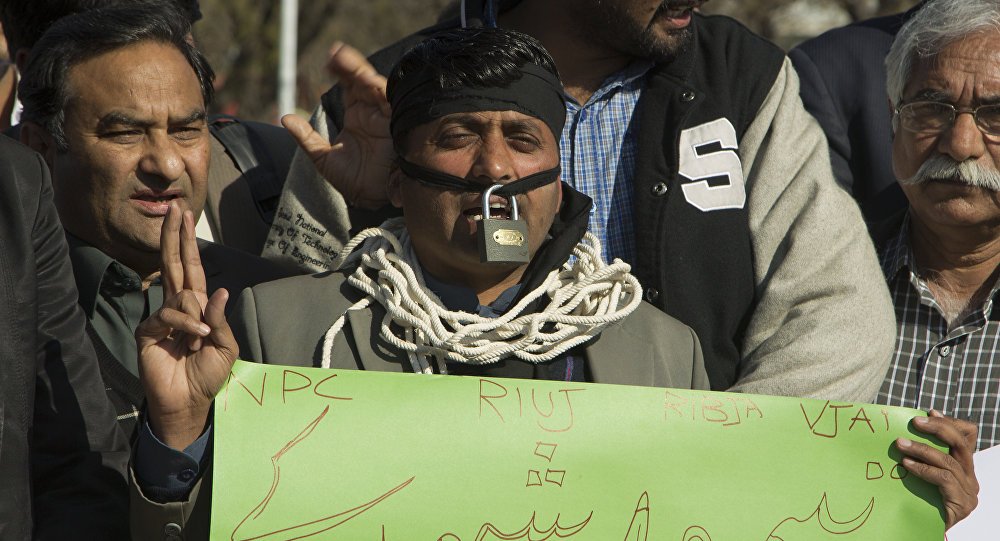
By Safdar Sial [embeddoc url=”http://www.pakpips.com/web_old/wp-content/uploads/2017/11/151-1.pdf” download=”all” viewer=”google” ]
[embeddoc url=”http://www.pakpips.com/web_old/wp-content/uploads/2017/11/137.pdf” download=”all” viewer=”google” ]
[embeddoc url=”http://www.pakpips.com/web_old/wp-content/uploads/2017/11/115.pdf” download=”all” viewer=”google” ]
[embeddoc url=”http://www.pakpips.com/web_old/wp-content/uploads/2017/11/127.pdf” download=”all” viewer=”google” ]
To understand the media narratives and journalists’ understanding of human rights reporting in Pakistan, the Pak Institute for Peace Studies (PIPS) conducted a survey with journalists and media representatives during July and October 2008. The purpose was to comprehend the patterns, quality, treatment and scope of media reporting on human rights issues, and explore the … Read more

[embeddoc url=”http://www.pakpips.com/web_old/wp-content/uploads/2017/11/156-1.pdf” download=”all” viewer=”google” ]