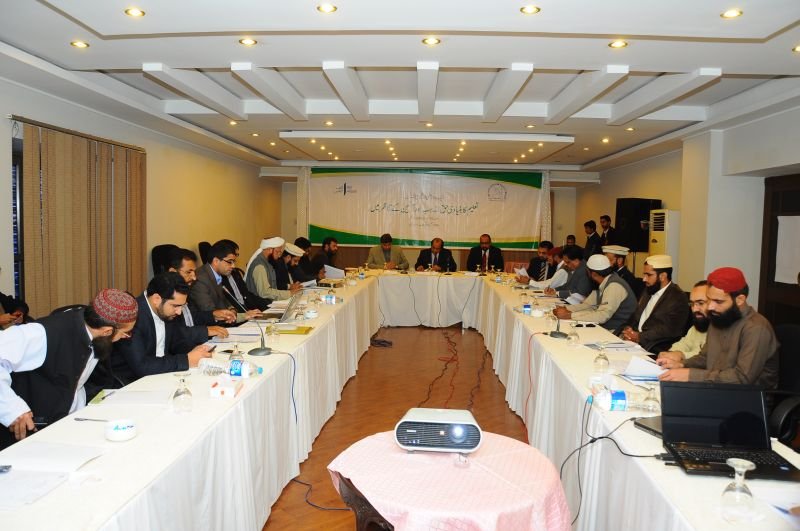
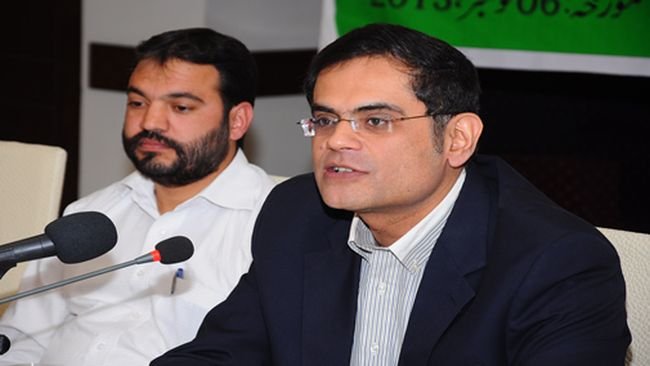
Islam puts great emphasis on justice, rights and rule of law: Religious scholars
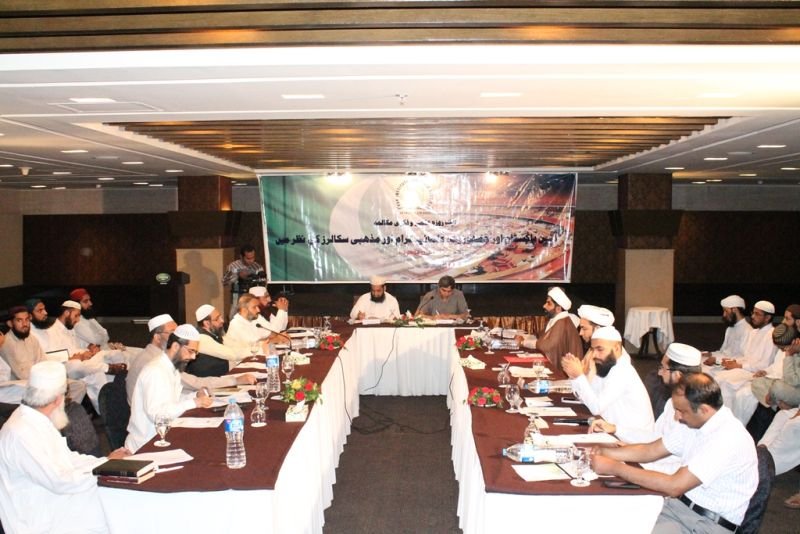
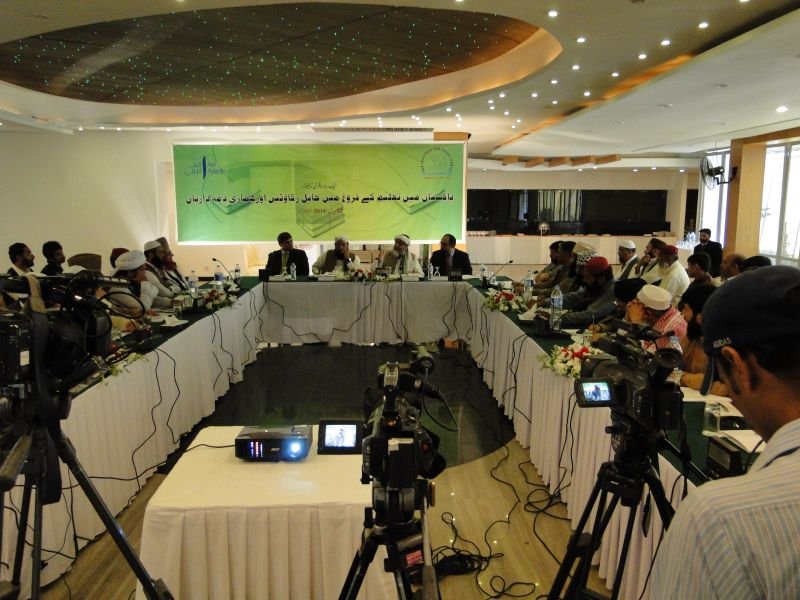
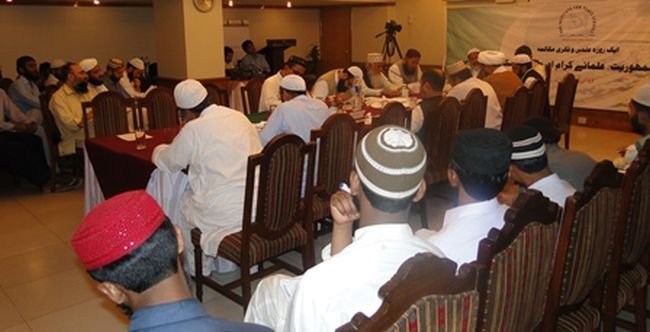
Islam has laid down some guiding principles on justice, rights and responsibilities, equality and rule of law, which should become the basis of any political system that undertakes to govern an Islamic state. In that regard democracy appears very close to Islam. These thoughts were expressed by leading religious scholars in a seminar on “Democracy … Read more
Islam does not support one kind of state system: Religious scholars

Religious scholars and religious-political parties will have to work for improvement in the current political system of Pakistan while staying within the country’s constitutional framework and system of government. Any system of government that is not based on social justice and fairness is opposed to one espoused in Islam. Islam does not support a single … Read more

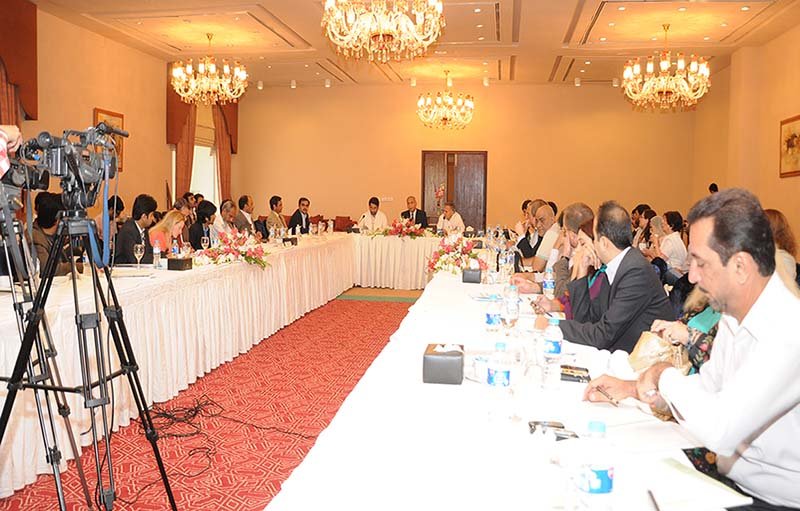
Tackling violent conflict and extremism in Karachi

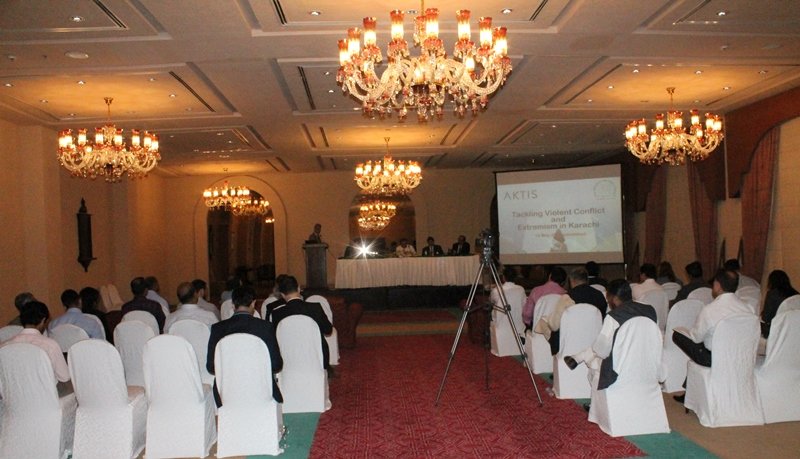
Robust political will, enhanced operational capacity and depoliticizing of police force, and better coordination between law enforcement and intelligence agencies are imperative to effectively tackle the ongoing unrest and violence in Karachi. These views were expressed by speakers in a seminar on “Tackling violent conflict and extremism in Karachi” organized jointly by Pak Institute for … Read more

Obstacles in education prosperity in Pakistan and our responsibilities

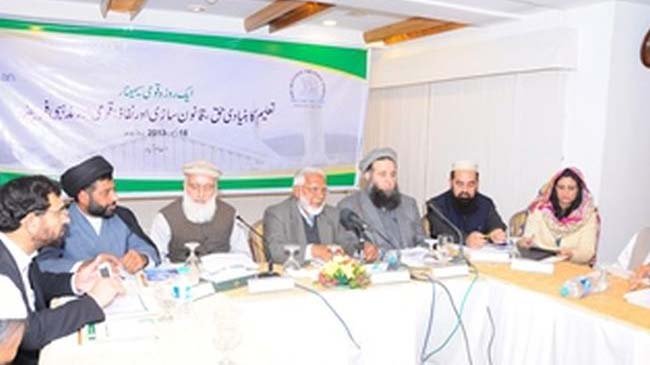
The lack of political will and accountability, delay in formulating education policy, insufficient education budget, declining standards and commercialization are the major obstacles in education prosperity in Pakistan. The government, policymakers and politicians should focus the education sector in order to overcome the education emergency in Pakistan. This was the consensus among participants of a … Read more

Role of education in national development and state-building: A case study of Pakistan

Pakistani government should initiate long-term projects in the education sector which would introduce students of religious seminaries, or madrassas, and universities to modern ways of research and learning. Also, Pakistan’s education systems should focus on raising curiosity among students for getting knowledge instead of offering a mere system of passing examination. These views were expressed … Read more

The Arab Spring: Impact and implications

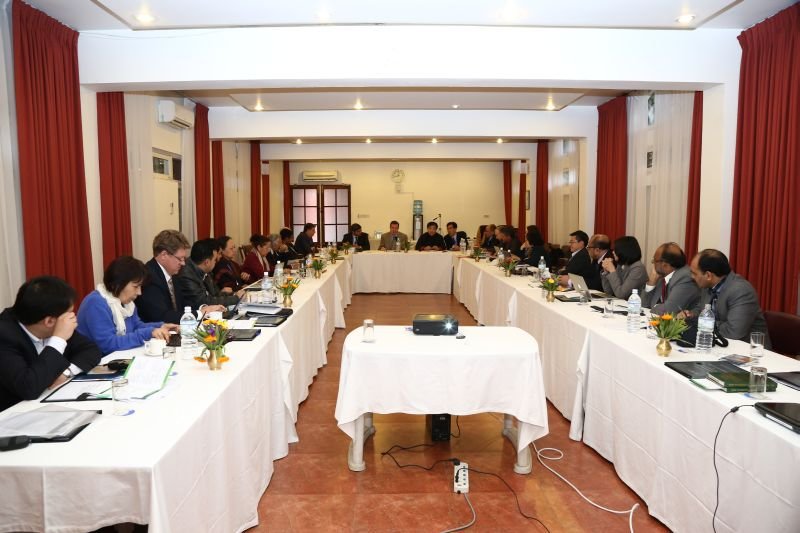
Pak Institute for Peace Studies organized a three-day international conference in Kathmandu, Nepal from February 28 to March 2, 2014 in conjunction with Beijing–based Institute of Ethnic Minority Groups Development Research (IEMGDR) and the Institute for Global Engagement (IGE), USA. The conference focused on two themes: the Arab Spring: impact and implications; and religion and … Read more

Prosperity and stability require investment in education

The state of education in Pakistan is miserable and requires an emergency response. The developing nations are progressing fast because of their investment in education. Both Pakistani state and society have to realize that the dream of prosperity and stability cannot be fulfilled without focusing on education. Being a teacher, parent, religious scholar, politician, civil … Read more

Editors and columnists of Islamic periodicals agree to play their role in ending education emergency in Pakistan

The federal and provincial governments should take immediate steps required to implement the Article 25-A of the Constitution which ensures the free and compulsory education to all children of the age of five to sixteen years. Also, there is need for establishing a national commission comprising members from all segments of society to formulate a … Read more

Dialogue can reduce ideological polarization among students of madrassas and universities

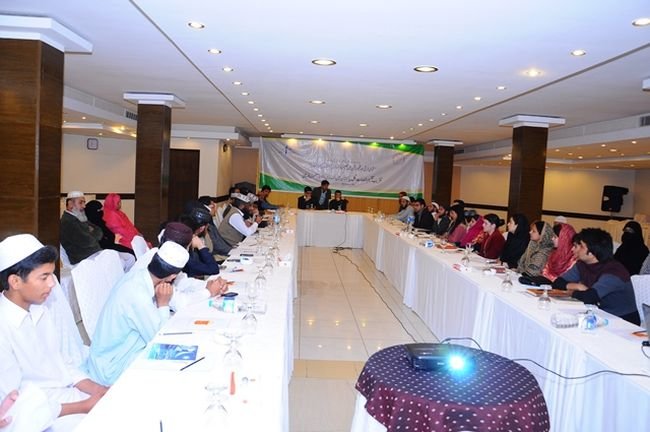
Conflicting notions of Pakistan’s ideology, extremist interpretations of religion and lack of tolerance among most of Pakistanis are at the heart of critical challenges facing Pakistan. Economic decay and dearth of opportunities for Pakistani youth further compound the problem. Students of madrassas and universities expressed these thoughts in a dialogue organized by Pak Institute for … Read more

Creating an environment that counteracts militant ideologies and radicalism in Pakistan

Ambiguous state policies, incoherent and often conflicting institutional responses, distorted education syllabi, and media’s inability to educate the people are among the factors that have let the perils of extremism and militancy grow in Pakistan. Failure to address these areas and to evolve and implement a comprehensive de-radicalization program in Pakistan would not only strengthen … Read more