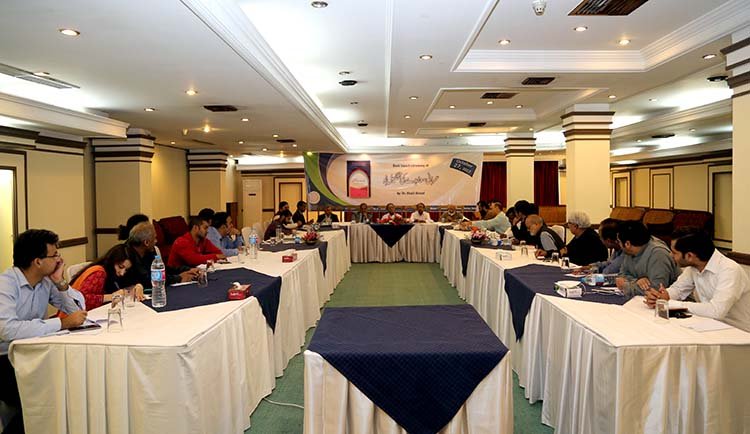
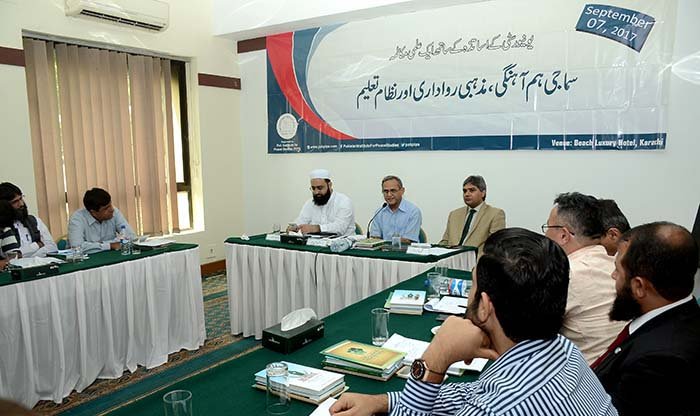
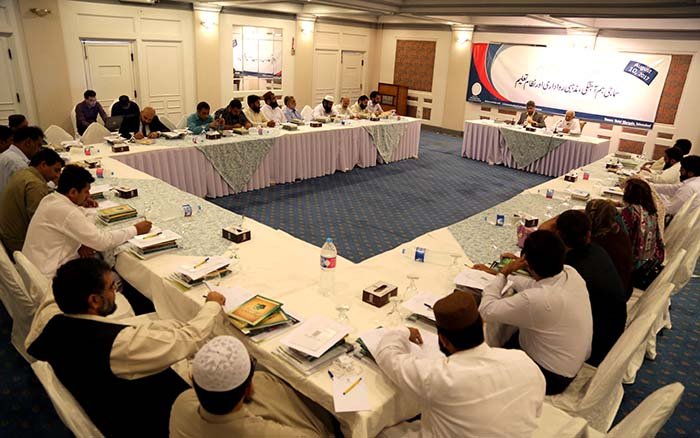
“Culture of inquiry required to promote social harmony”
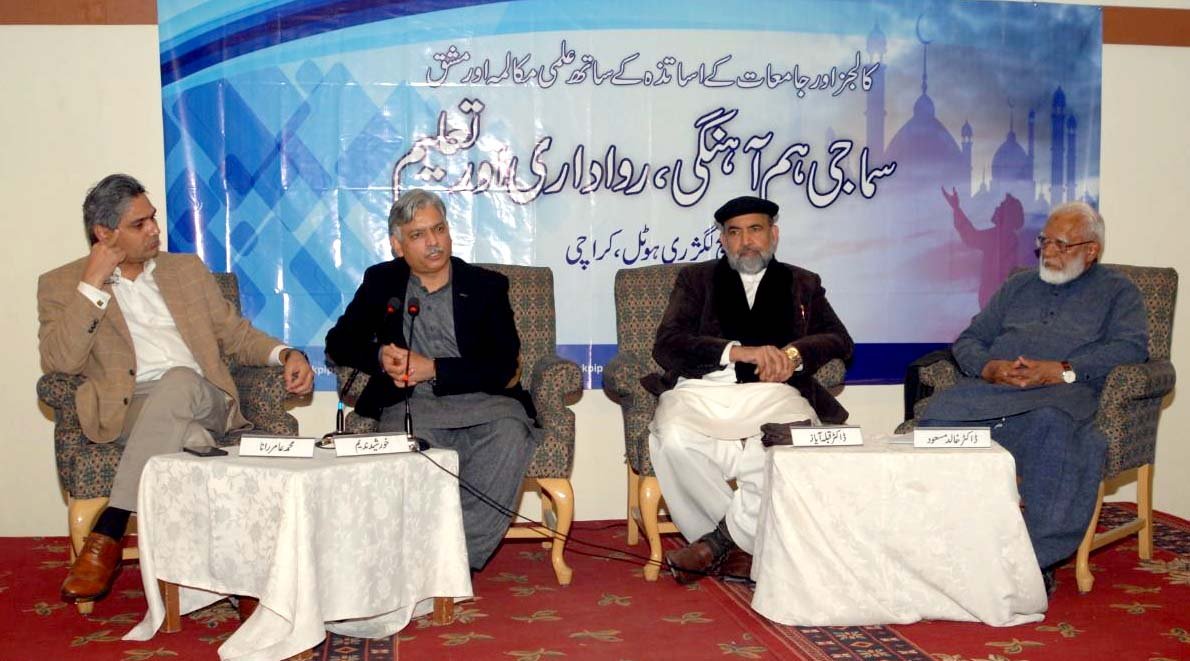
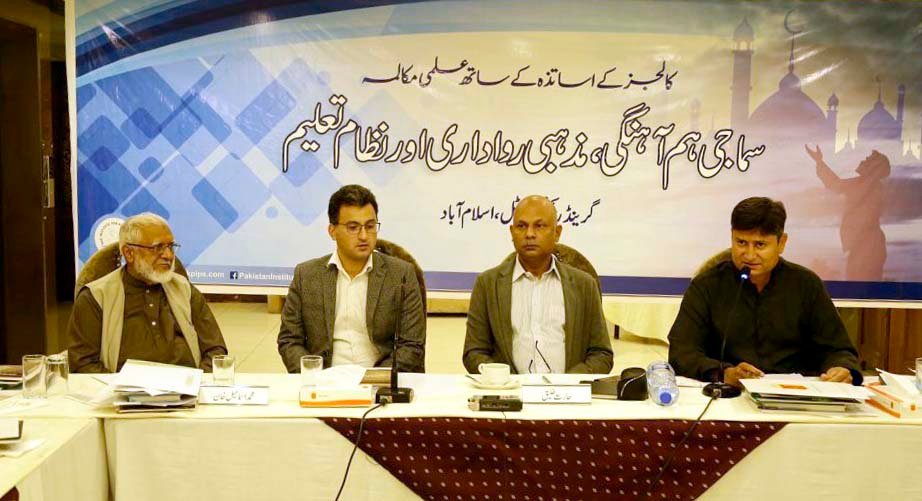
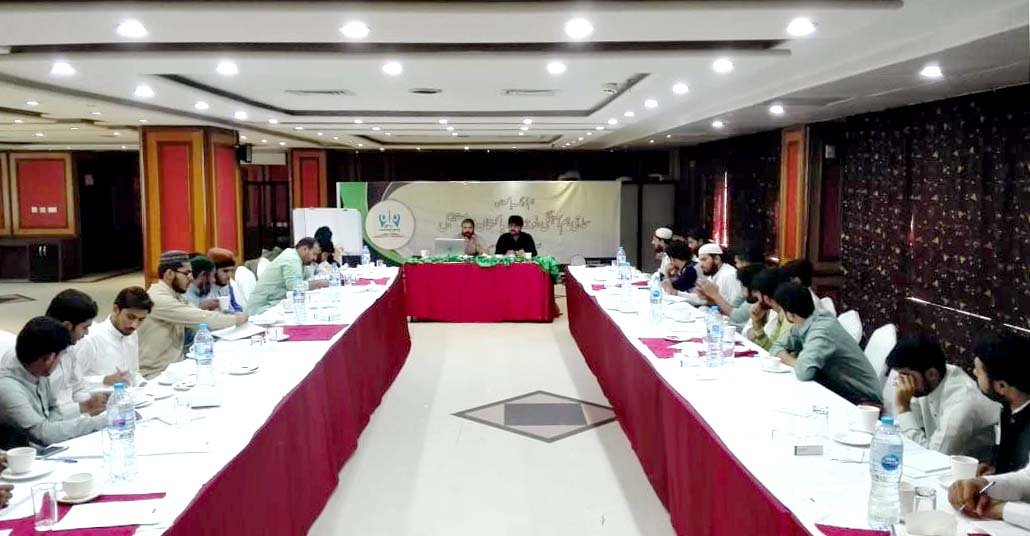
Speakers at a two-day dialogue underscored that academic institutions should promote the culture of critical inquiry so that we are able to diagnose our problems scientifically, by looking at explanations beyond pointing fingers at others. This came in two-day dialogue on social harmony, held on 24-25 December 2018, in Karachi, with teachers of various colleges from Balochistan … Read more
“Teachers can foster harmony by promoting culture of inquiry”

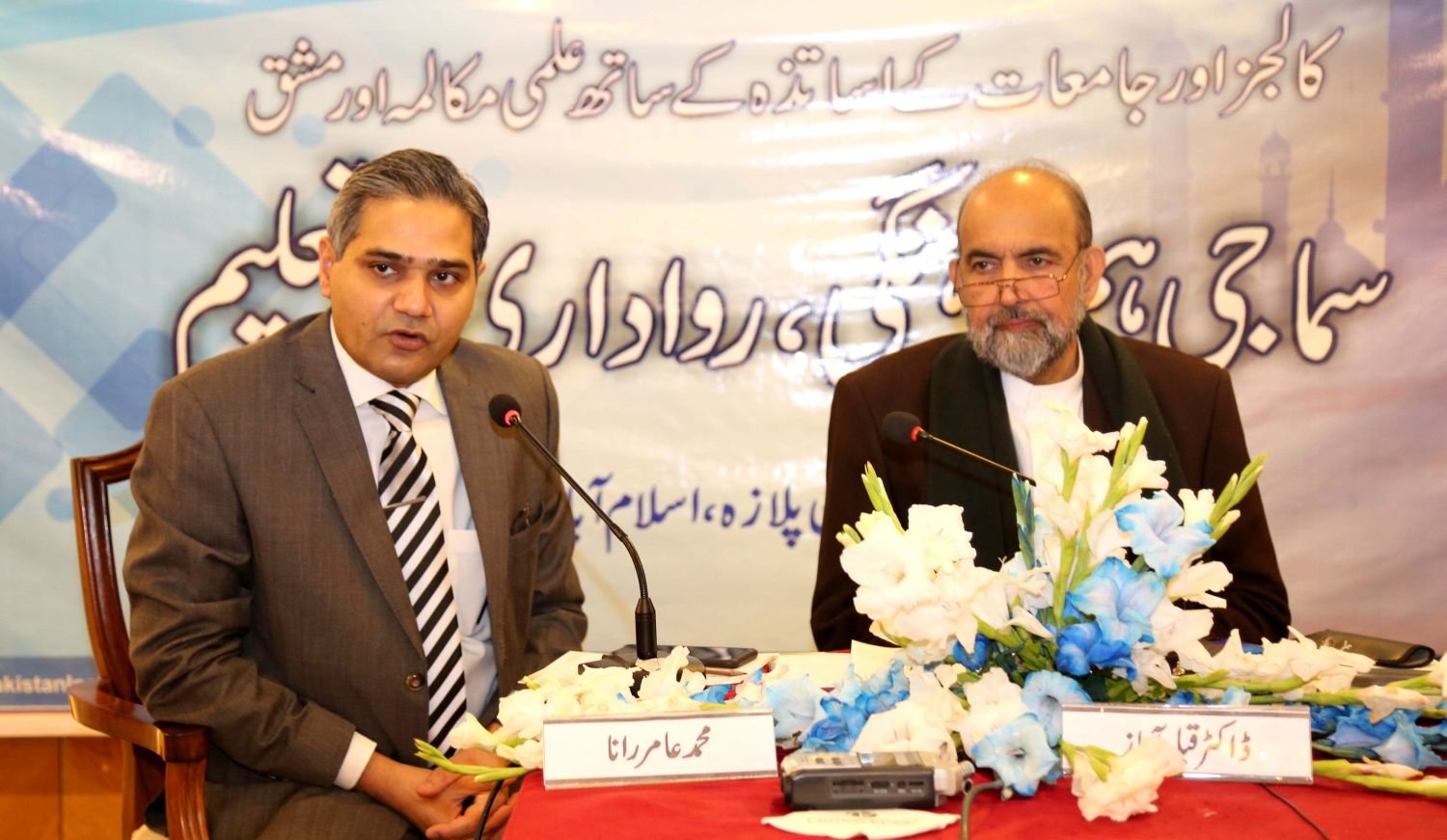
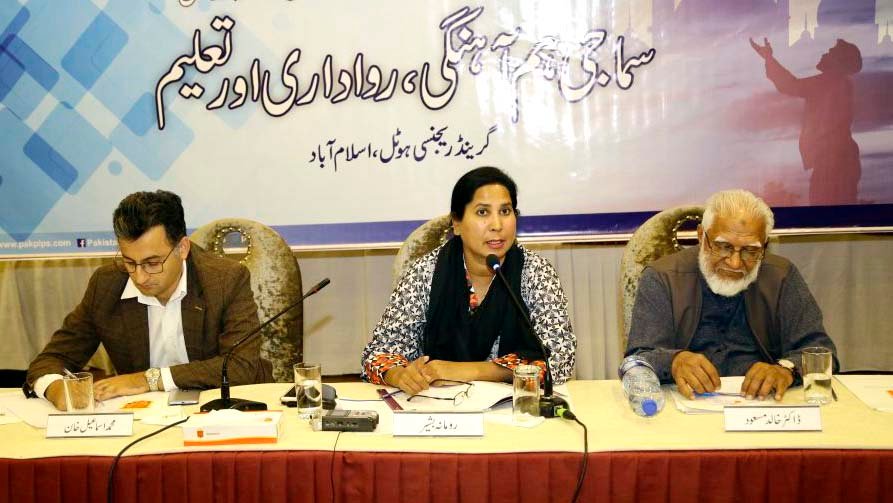
A two-day dialogue on social harmony was held on 28-29 November 2018 in Islamabad, with college teachers from Khyber Pakhtunkhwa, including erstwhile tribal areas. They underscored that colleges should promote the culture of asking questions so as to generate ideas. This was the third in a series of dialogues with public sector teachers held in … Read more

“Teachers can help overcome divides in society”: PIPS teachers dialogue

On 5th and 6th November 2018, the second round of two-day dialogue with college teachers, on social harmony, was organized in Islamabad, participated by around forty teachers from the northern region of Pakistan comprising of Gilgit-Baltistan, Azad Jammu and Kashmir and Islamabad. The dialogue started with introductory note by PIPS’s senior project manager Muhammad Ismail … Read more

Teachers can foster social harmony by dialogue: PIPS teacher dialogue

On 29 and 30 October 2018, PIPS convened dialogue on social harmony, with public colleges’ teachers from northern Punjab. Spanning for eight sessions, it was led by learned scholars and analysts. PIPS’s senior project manager Muhammad Ismail Khan shared the dialogue is held to foster two-way interaction in society. Teachers can uphold diversity in the … Read more

“Students interaction with each other can help pave way for social harmony”

Students of different backgrounds often carry strong biases about each other. To overcome them, and help produce social harmony, students should be given opportunity to interact with other, not only academically but also in non-curricular activities. Above all, they should be taught how to talk to each other, rather than talking at each other. These … Read more

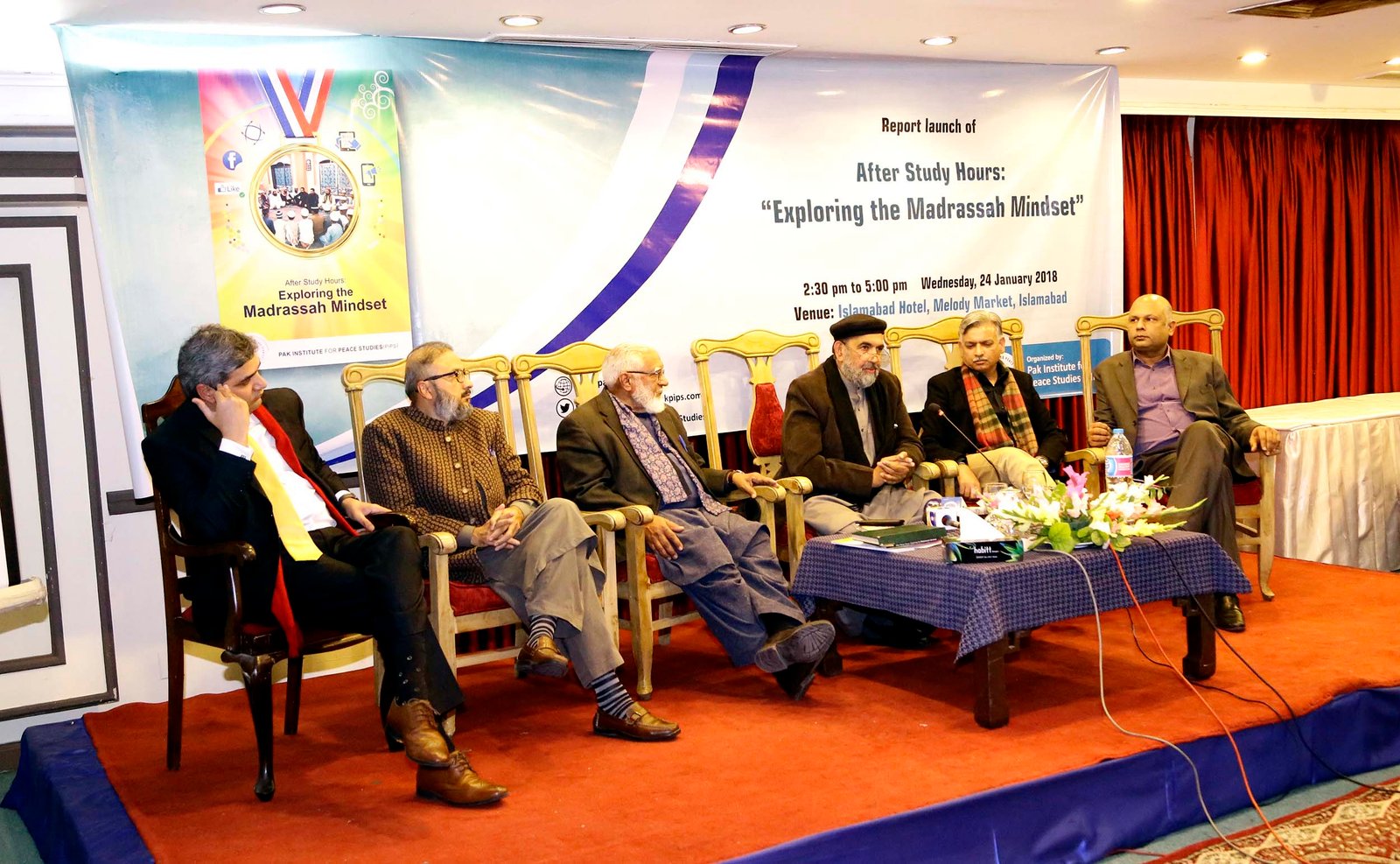
Report launch “After study hours: exploring the madrassa mindset”

On January 24, 2018, PIPS launched the outcome of its recent research study in form of a report titled “After study hours: exploring the madrassa mindset.” The event, which entailed at-length discussion on findings of the report as well as other aspects of madrassa education, was attended by scholars including religious, civil society representatives, and … Read more

Dialogue and research can radically reform education in Pakistan

There is a dire need to train students on how to engage in dialogue and objectively construct and present their arguments. The discourse on dialogue should also be included in educational curriculum. There is also need to encourage critical thinking among students and promote the trend of research in educational institutions. Curriculum development must be … Read more

A robust social contract puts people at center of the debate

On 27 October 2017, PIPS launched “Imraani Muahiday ki Tashkeel-i-Nau (Reconstruction of Social Contract)”, authored by Dr. Khalil Ahmed, a political philosopher. The event was attended by teachers, academics, media, and was chaired by educationist A.H Nayer. The chair noted with curiosity that the book repeatedly points that different sections of the society have been calling for … Read more

‘Teachers can help curb emerging trend of radicalization in universities’

Teachers in a day-long dialogue agreed that radicalization in the country is a multi-faceted phenomenon, hitting diverse segment of society, including students. Increasingly, some of them are reported to have fallen for radical messages through social media; others are unable to condemn the act of militants openly out of their deep-set biases. To overcome this … Read more

‘Critical inquiry in today’s digital age a must for progress and peace’

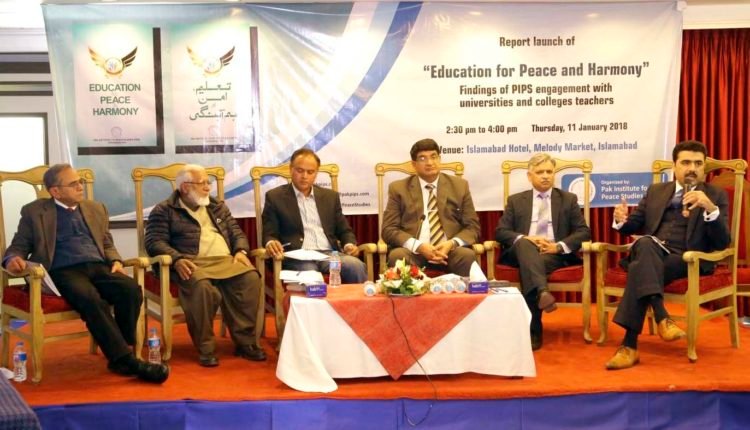
In today’s digital age, where wide information is readily accessible, students should be taught how to think critically for themselves. This way, not only will they seek solutions to the pressing issues around them, but they will also be mindful of narrow and parochial explanations of the same issues. That is the path to a … Read more