Attack on Chinese engineers in Balochistan
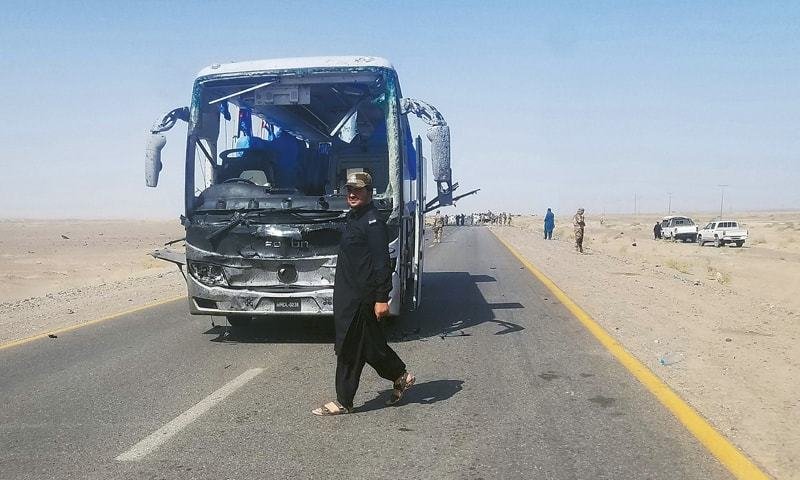
On August 11, 2018, a suicide bomber attacked a bus carrying Chinese engineers in Balochistan. It later emerged that the Balochistan Liberation Army (BLA) was behind the attack. The attack has raised questions about security to China-Pakistan Economic Corridor (CPEC) especially in Balochistan. Below are comments by some experts on the incident: BLA suicide attack … Read more
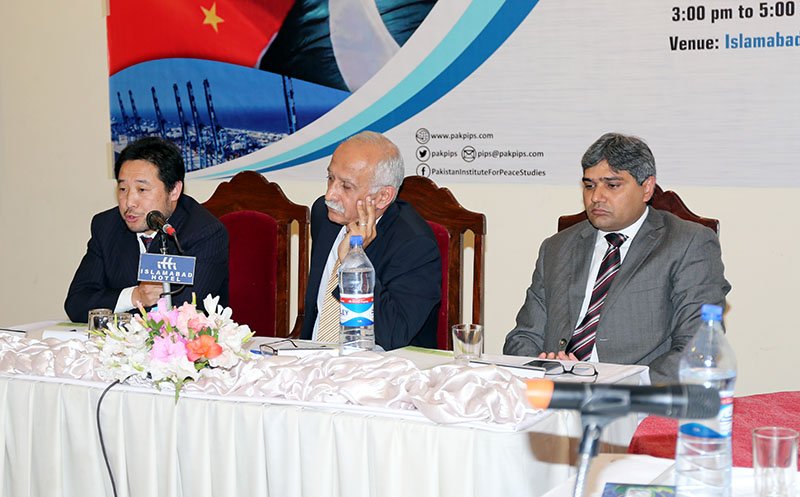
Potential of China’s Belt and Road Initiative in South Asia connectivity explored

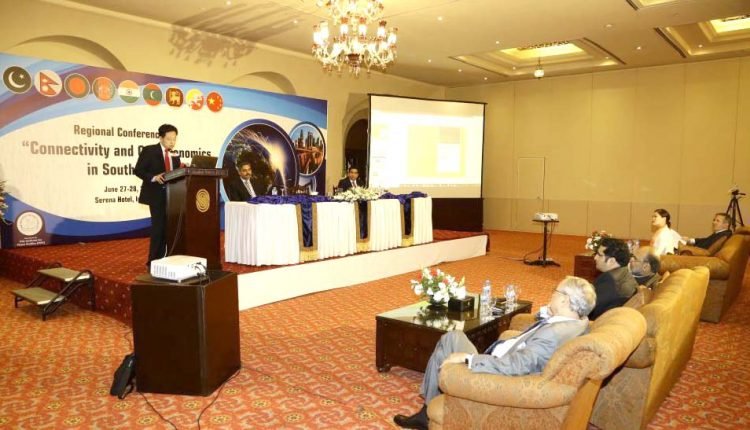
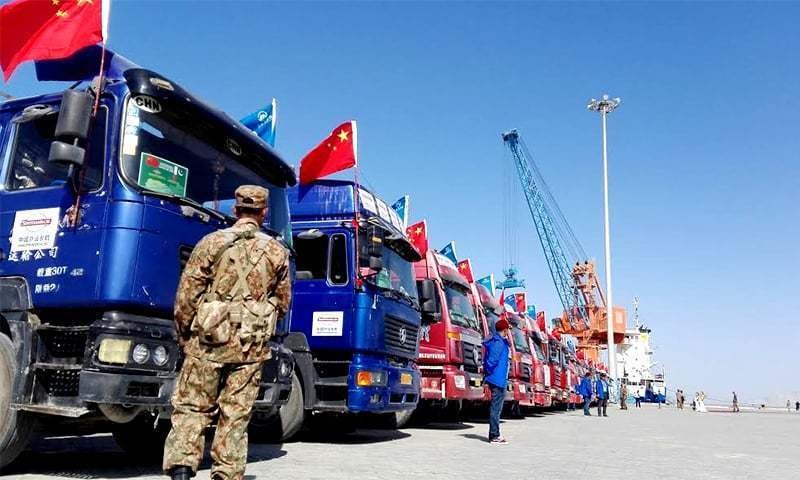
Participants at a two-day international conference on regional connectivity of South Asia explored the possibility of connecting one of the least integrated regions of the world, South Asia, and whether China’s Belt and Road Initiative (BRI) will be able to do so. They also explored the linkages between connectivity and stability, with one contributing to … Read more

CPEC security developments

There has been relative improvement in the country’s overall security situation in 2016 that boded well for the security of China-Pakistan Economic Corridor (CPEC) as well. However some major attacks by Islamist and sectarian militants groups, mainly in Balochistan – the province that holds a pivotal place in the CPEC due to hosting Gwadar Port … Read more

Exodus of refugees is not durable

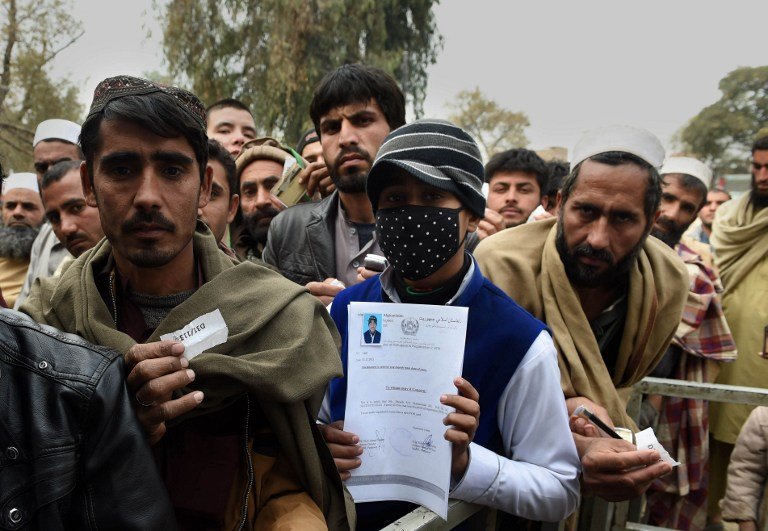
2016 has been yet another year in recent times when security measures taken within the context of the National Action Plan (NAP) expedited the rate of voluntary returns to increase recently. This high rate is also owed to other non-state push factors on the Pakistan side and a number of pull factors on the Afghan … Read more

Continuous state-to-state and people-to-people engagement between Afghanistan and Pakistan required: PIPS national seminar

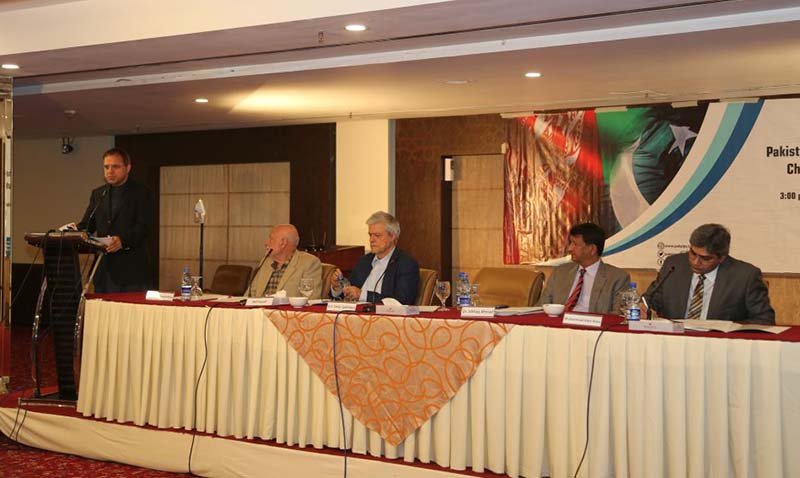
On 29 November 2017, PIPS hosted a national seminar “Pakistan’s Relations with Afghanistan: Changing Dynamics and Future”. It was organized with the support of Frederich Ebert Stiftung (FES). The seminar was attended by scholars, diplomatic community, journalists, among others. The seminar called for continuous engagement between Pakistan and Afghanistan, as the regional dynamics, especially in … Read more

PIPS seminar discusses multiple options for Pakistan to respond to changing scenario in Middle East

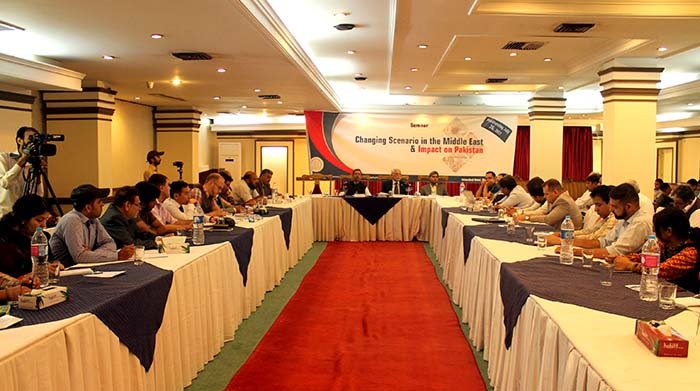
Pak Institute for Peace Studies (PIPS), an Islamabad-based think tank conducted an open seminar on the ‘Changing Scenario in the Middle East and its Impact on Pakistan’ at Islamabad Hotel. Academics, scholars, journalists, and diplomats attended the seminar, which was chaired by Pakistan’s foreign minister and foreign secretary, Inamul Haq. Speakers included senior research scholars, … Read more

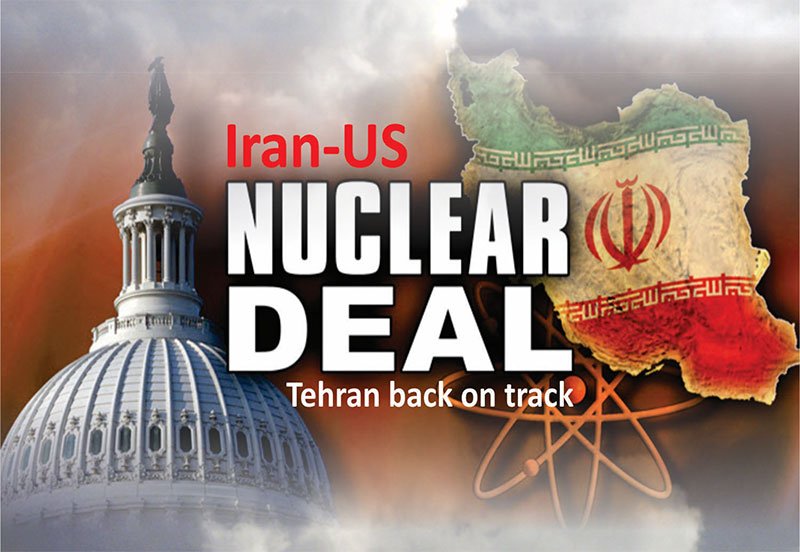
Iran-US nuclear deal: Tehran back on track

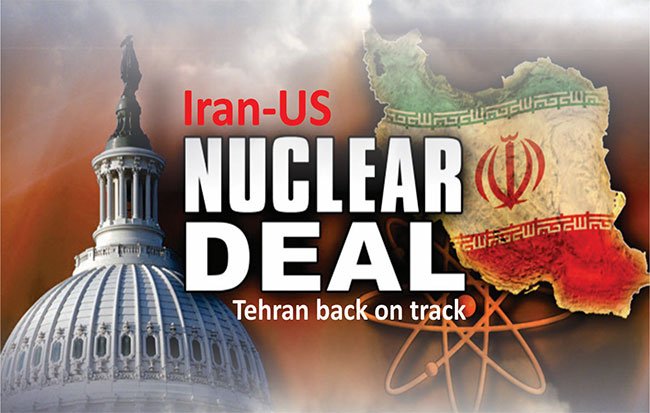
Iran is a Middle Eastern country, sharing borders with Iraq, Afghanistan, Pakistan, Azerbaijan, Turkey and Armenia. The country has been striving hard to get nuclear technology. Many states viewed in the 1990s that Iran was on the verge of achieving a civil nuclear technology. Iran’s clandestine research in both fuel enrichment and conversion raised international … Read more

Despite divisive regional scenario, CPEC can achieve goals of connectivity

The emerging scenario in region around Pakistan is bereft with differences, rivalry, and insecuriy, a situation likely to exacerbate under Trump administration. Even CPEC gets played in those differences. But with right set of policies, Pakistan can achieve the CPEC, with an added outcome of bridging divides. These were some of the key thoughts that … Read more

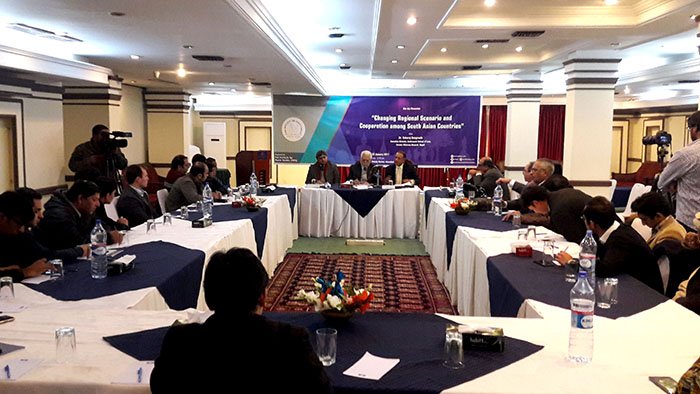
‘Functional SAARC viable for regional cooperation’: Nepalese scholar

A functional SAARC is a viable option for regional cooperation and progress for the South Asian belt. And will provide a stronger “bargaining power” for the member countries against non-member states while forging new relations. These were some of the views shared by Dr. Yuburaj Sangroula, a Nepalese scholar on international law visiting Pakistan, at … Read more