“Direct engagement between Pakistan and Afghanistan is required”: Launch of PIPS study
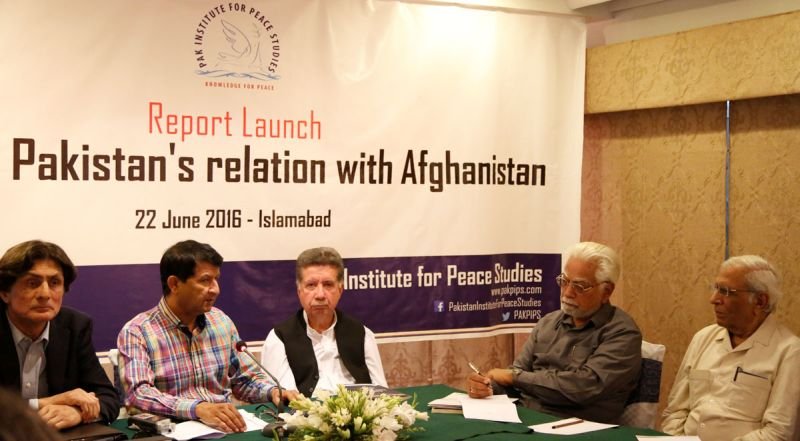
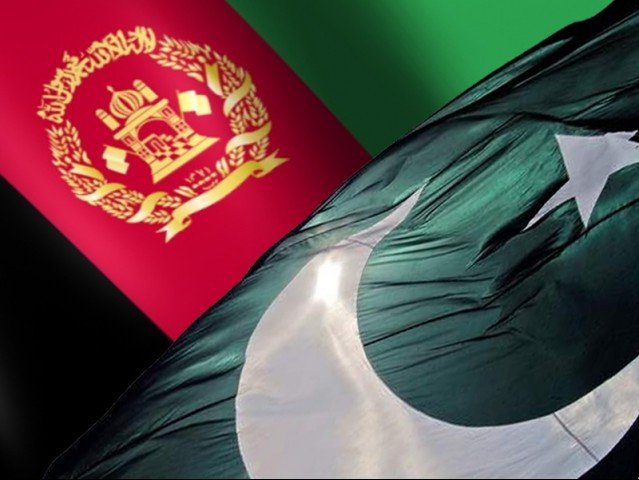
On 22 June 2016, Pak Institute for Peace Studies launched a comprehensive study reviewing Pakistan’s relations with Afghanistan, participated by well-attended audience including political leaders, civil society activists, diplomats, students, and journalists. In early 2016, PIPS solicited commentaries from practitioner and academics in Pakistan on different aspects of Pakistan-Afghanistan relations. The basic question was as to … Read more
Pakistan in Saudi-led anti-terrorism alliance?: Background

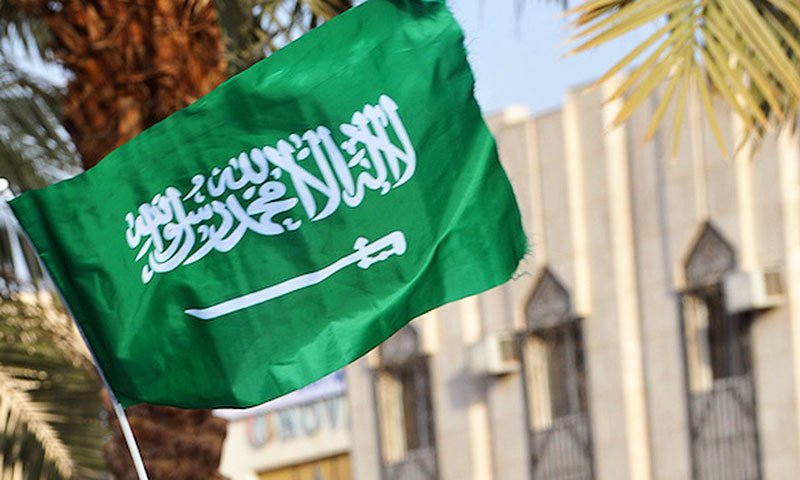
On 15 December, the Kingdom of Saudi Arabia announced the formation of a military alliance against the Islamic State in Iraq and Syria (ISIS) or Daesh. To the surprise of Pakistan, it too was included in the alliance. Meanwhile, Pakistani Foreign Office later clarified that it is still looking into the details of the role … Read more

German scholar Dr. Reetz argues Pakistan can benefit from changing regional dynamics

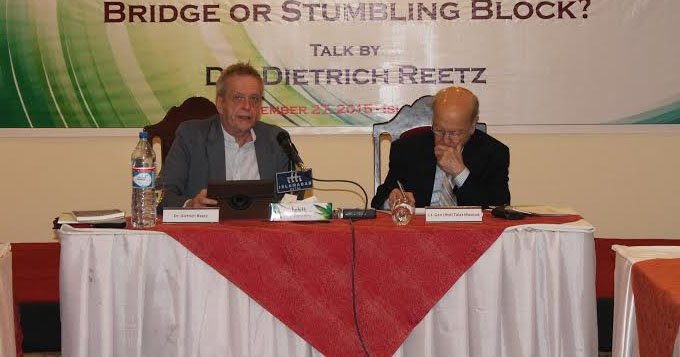
A visiting German professor Dr. Dietrich Reetz argued that the world is increasingly moving from Cold War binary to a multipolar world, which will give room to geo-economics instead of geo-politics. This phenomenal change has provided a market place for competitive projects. Pakistan should adjust its interests accordingly. Dr. Reetz expressed these views during a … Read more

Book touches upon the multi-dimensional relations between Pakistan and China

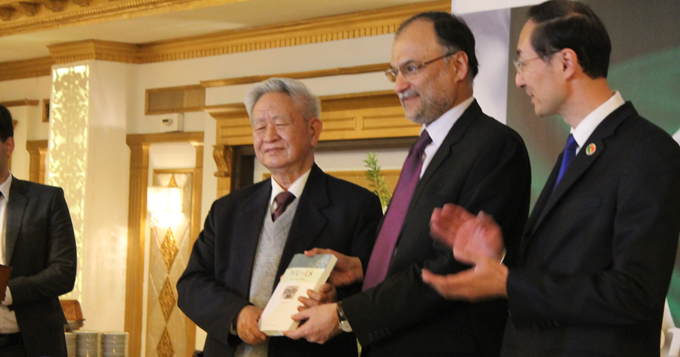
On November 25, 2015, Pak Institute for Peace Studies co-hosted a ceremony marking book launch on China-Pakistan friendship. The book “You and Us: Stories of China and Pakistan” is a compilation of the stories of those friendship, penned by former Chinese diplomats and officials. Speakers from both China and Pakistan appreciated the release of the book, underscoring … Read more

Pakistan: Monitoring the key regional powers (October 1 to December 16, 2014)

The purpose of this series of quarterly monitoring reports (2014) is to monitor and track the actions as well as public statements of five key STAP RP regional actors (India, Iran, Russia, China, SaudiArabia) on Pakistan; the development of, and their participation in relevant international and regional discussion meetings, including the Istanbul Process, Heart of … Read more

Sources of Tension in Afghanistan and Pakistan: A Regional Perspective CIDOB Policy Research Project With support from Perspectives from the Region in 2014:

The recent political transformation in Afghanistan was seen as shaping events in both Central and South Asia, including on regional security, and particularly affecting China, Iran and Russia. The recent signing of the BSA by President Ashraf ghani was viewed as signaling a shift in the security dynamic, with the withdrawal of foreign forces. Read … Read more

Pakistan: monitoring the key regional powers (July 1 to September 30, 2014)

Jointly produced by PIPS and Barcelona Centre for International Affairs, famous as CIDOB, this quarterly monitoring brief (December 15, 2013 to March 31, 2014) tracks the actions as well as public statements of five key STAP RP regional actors (India, Iran, Russia, China, Saudi Arabia) on Pakistan. A part of CIDOB’s program, “the Sources of … Read more

2014 withdrawal of foreign troops from Afghanistan: implications for regional security

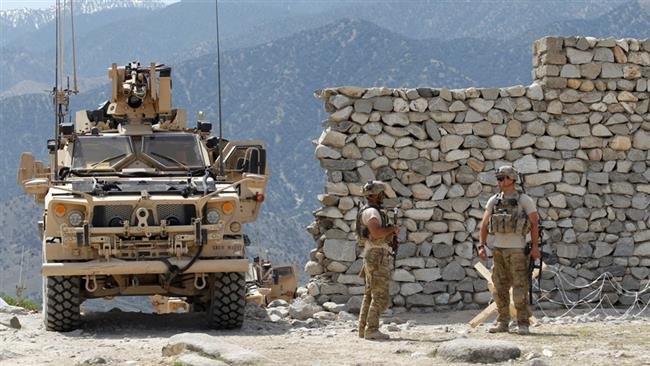
The withdrawal of foreign troops from Afghanistan towards the end of 2014 would have implications for the ongoing war against terrorism in the region. Since the launch of this war after the 9/11 attacks, Pakistan and Afghanistan have been fighting against local and foreign militants in their respective territories and border regions as frontline allies … Read more

Pak-Afghan ties: views of Pakistan’s political and religious parties

Relations between Afghanistan and Pakistan go back to 1947 when Pakistan came into being. These relations hold special importance due to the shared geostrategic, ethnic, cultural and religious bonds. In a televised speech on October 3, 2011, Afghan President Hamid Karzai described the two countries as “inseparable brothers,” primarily due to the shared religious and … Read more